

Winter Storm Damage in Homewood, IL
Homewood's older housing stock, characterized by full basements typical of Chicago-area suburbs, faces particular vulnerability during winter when heavy seasonal rainfall and spring snowmelt can overwhelm aging drainage systems and basement infrastructure. Winter storm damage in Homewood often manifests as seepage, sump pump failure, and water intrusion when freeze-thaw cycles stress foundation perimeters and aging storm sewers reach capacity. Grover connects Homewood property owners with local water damage restoration providers who respond quickly to winter-related water emergencies, helping limit damage to your home and contents.
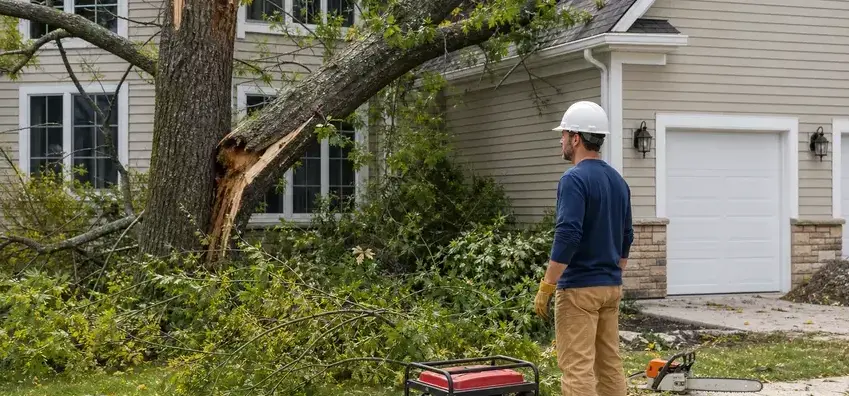
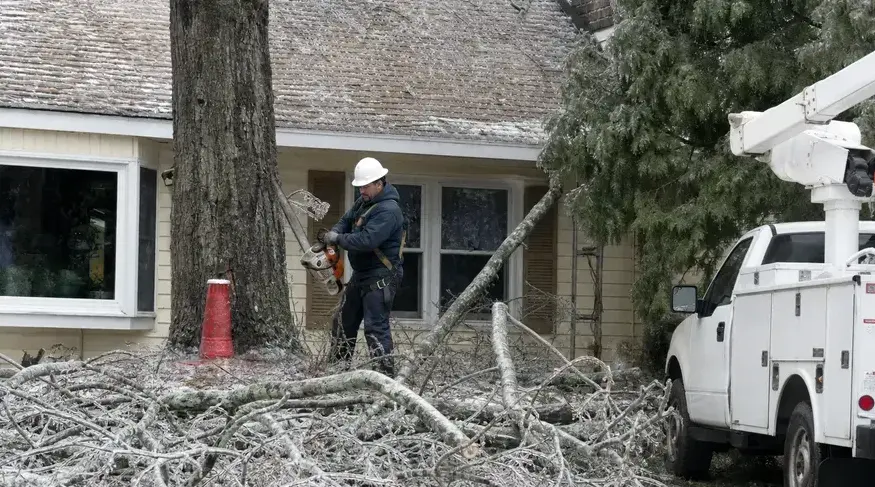
Winter Storm Damage in Homewood, IL: Fast Local Help
Winter storms bring serious water damage risks to Homewood homes, particularly those with older construction and full basements common throughout this Chicago-area community. Heavy seasonal rainfall and spring snowmelt can overwhelm aging storm sewers and basement drainage systems, leading to seepage, flooding, and costly interior water intrusion. When freezing temperatures follow precipitation, water trapped in walls, foundations, and drainage systems can expand and crack, compounding damage long after the storm passes. Property owners across Homewood—from the Historic District to West Homewood and beyond—face seasonal vulnerability that demands quick response and professional mitigation before secondary damage spreads.
Grover Water Damage Restoration connects Homewood property owners with independent local restoration providers who specialize in winter storm water damage. These providers respond rapidly to assess damage, extract standing water, and begin drying affected areas before mold growth or structural deterioration accelerates. They handle water removal, moisture detection, and restoration planning with attention to the particular challenges winter conditions create—including hidden moisture in insulation and potential freeze-thaw cycles. If your home has suffered winter storm damage, reaching out for an immediate damage assessment and restoration plan can mean the difference between containable loss and extensive repair costs.
Why Homewood Properties Need Winter Storm Damage Help
Fast Winter Storm Response
Winter Storm Damage demands immediate action to prevent secondary damage. Grover connects you with local providers ready to respond quickly when snow melt, ice dams, or heavy winter precipitation threaten your property.
Winter Storm Damage Specialists
Winter Storm Damage requires specific knowledge of freeze-thaw cycles, ice dam formation, and water intrusion patterns. The local providers in Grover's network understand these seasonal hazards and how to address them thoroughly.
Clear Communication Throughout
Winter Storm Damage situations can be stressful and costly. Grover ensures you stay informed every step—from initial damage assessment through the restoration process—so you understand what's happening and what comes next.
Protection for Older Homewood Basements
Homes throughout Homewood and the surrounding area often feature full basements built decades ago. Spring snowmelt and seasonal rainfall can overwhelm aging drainage systems, making basement seepage a pressing concern that demands expert Winter Storm Damage restoration.
How Our Winter Storm Damage Process Works
From your initial call to the final inspection, we provide a structured, professional, and efficient process to ensure your property is fully restored after Winter Storm Damage.
Report Winter Storm Damage Now
Contact Grover to report water intrusion, ice dam damage, or flooding from winter weather in Homewood. We connect you with a local restoration provider who can respond quickly to document damage and begin water removal before conditions worsen.
Assessment of Winter Water Intrusion
A local provider inspects your property to identify where winter storm water entered—whether through roof damage, foundation seepage from snowmelt, or overwhelmed drainage systems common in older homes. They map affected areas and assess moisture depth to plan targeted drying and restoration.
Winter Storm Damage Restoration & Recovery
The restoration provider removes standing water, manages dehumidification and drying, and repairs winter storm damage to your structure. They'll coordinate next steps with you and your insurance adjuster as restoration work progresses.
Dealing with Winter Storm Damage in Homewood? Get fast, professional help.
Call Now — (708) 773-7699Winter Storm Damage Affecting Homewood Homes
Homewood's older housing stock, predominantly built with full basements, faces particular vulnerability to winter storm damage. As seasonal snowmelt and heavy rainfall accumulate, aging storm drainage systems throughout the community can become overwhelmed, directing water toward basement walls and foundation perimeters. Properties across neighborhoods like the Homewood Historic District and East Homewood may experience seepage during freeze-thaw cycles, when ground saturation combines with temperature swings to stress foundation drainage systems. Sump pump failures become critical during these peak water-intrusion periods, leaving basements exposed to damage when backup power or mechanical failure occurs.
Winter storms bring sustained moisture challenges that extend beyond the storm itself. The combination of seasonal weather patterns and aging underground infrastructure means that water damage often develops gradually after a major winter event, sometimes appearing days after precipitation ends. Quick identification and response from local restoration providers can prevent secondary damage, mold development, and structural deterioration. Grover Water Damage Restoration connects Homewood property owners with independent local providers who understand these seasonal vulnerabilities and can respond promptly when winter weather threatens basement integrity and foundation systems.
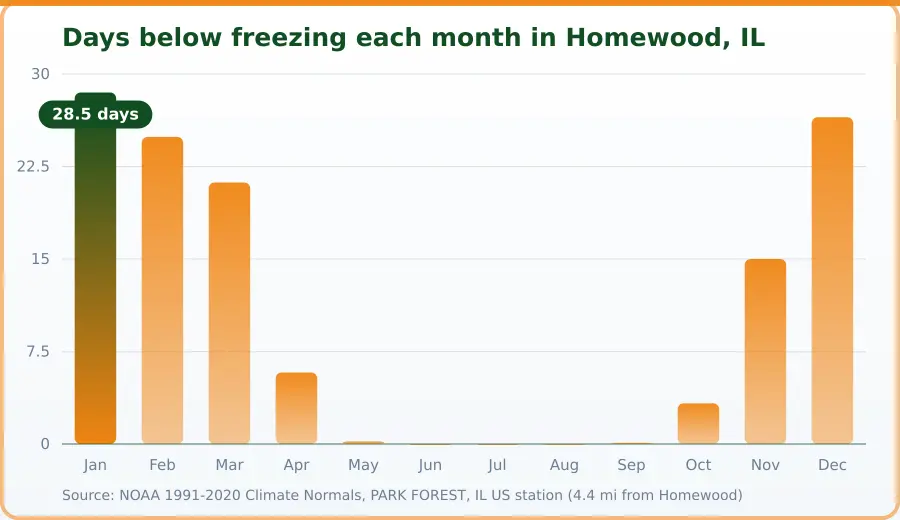
| Period | Freezing days per month (days) |
|---|---|
| Jan | 28.5 |
| Feb | 24.9 |
| Mar | 21.2 |
| Apr | 5.8 |
| May | 0.2 |
| Jun | 0 |
| Jul | 0 |
| Aug | 0 |
| Sep | 0.1 |
| Oct | 3.3 |
| Nov | 15 |
| Dec | 26.5 |
Source: NOAA 1991-2020 Climate Normals, PARK FOREST, IL US station (4.4 mi from Homewood). Retrieved October 4, 2026.
Winter Storm Damage Across Homewood's Seasons
Spring: Thaw and Drainage Strain
Spring snowmelt and heavy seasonal rains stress aging drainage systems throughout the region. Homes with older basements face increased seepage risk as ground saturation rises and sump pumps work overtime. Grover connects property owners to local restoration providers who respond quickly to basement water intrusion and assess whether drainage systems need immediate attention.
Summer: Heat and Drying Challenges
Summer heat complicates water damage restoration from spring storms, as humidity slows evaporation indoors while outdoor temperatures accelerate surface drying unevenly. Professionals in the network help manage moisture lingering in walls and floors after winter storm damage, preventing long-term structural issues and mold development as seasonal weather shifts.
Fall: Preparation and Early Storm Risk
Fall brings the first autumn storms and temperature swings that can cause freeze-thaw cycles in early season. Winter storm damage becomes a growing concern as weather patterns shift. Grover helps property owners connect with local providers for preventive inspections and rapid response when early-season storms strike Homewood and surrounding areas.
Winter: Peak Storm Season
Winter storm damage peaks during the cold months, when heavy snow, ice, and rainfall test roofs, gutters, and foundation drainage. Freeze-thaw cycles can crack foundations and force water into basements. Grover's network provides same-day or next-day connections to independent local restoration providers ready to address winter storm damage and prevent water from settling into structural materials.
Related Services
Winter Storm Damage FAQs — Homewood, IL
Winter storms bring heavy snow, ice, and rapid thaw cycles that can overwhelm drainage systems in older homes common throughout the area. Water seeps into basements, damages walls and belongings, and can trigger sump pump failures when systems are stressed by seasonal runoff. Frozen pipes, ice dams, and foundation cracks also allow water intrusion during freeze-thaw cycles typical of the region's winter weather.
Grover connects Homewood property owners with independent local water damage restoration providers who understand the urgency of winter storm damage. When you contact Grover, we work to match you with nearby providers quickly so they can assess water damage and begin mitigation right away. Speed matters in winter—the faster standing water is addressed, the better the outcome.
Pricing for winter storm damage restoration depends on how much water entered your home, which areas are affected, how long water sat before mitigation began, and what materials need drying or replacement. Older homes with basements often face higher costs due to larger water volumes and structural complexity. The independent provider you work with will assess your specific situation to discuss cost factors.
Turn off electrical circuits to affected areas if it's safe to do so, move valuables to higher ground, and contact a restoration provider immediately. Do not enter standing water if electrical hazards are present. Document damage with photos if you can do so safely. A restoration provider will extract water, assess structural and contents damage, and begin drying to prevent mold and further harm.
Yes—seasonal snowmelt and heavy rain stress aging drainage systems in older homes. You can reduce risk by keeping gutters and downspouts clear, ensuring sump pumps are working before winter, grading soil away from your foundation, and sealing obvious foundation cracks. Regular maintenance of basement drainage systems helps, but major storms may still cause water entry. Working with a restoration provider after damage occurs helps you plan preventive steps.
Winter and early spring bring the highest risk in this region. Heavy seasonal rainfall combined with spring snowmelt can overwhelm aging storm sewers and basement drainage systems. Freeze-thaw cycles throughout winter also weaken seals and create new entry points for water. Older homes in neighborhoods like East Homewood and the Homewood Historic District face particular challenges due to aging infrastructure.
Homeowner Safety Toolkit
Verify Your Homewood, IL Water Damage Restoration Company
Before you hire anyone, use these independent national resources to confirm credentials, standards, and track record.
IICRC
Sets the technical standards for water damage restoration. Confirm a company's technicians hold real, current IICRC certification before you hire them.
Verify CertificationEPA
The federal government's own guidance on drying out a water-damaged home fast enough to keep mold from taking hold.
Mold Prevention GuideBBB
Look up any restoration company's complaint history, customer reviews, and accreditation status — a free, independent check before you hire.
Check StandingDealing with Winter Storm Damage in Homewood, IL? Call (708) 773-7699 for 24/7 help.
Call Now — (708) 773-7699Areas We Serve Near Homewood, Illinois
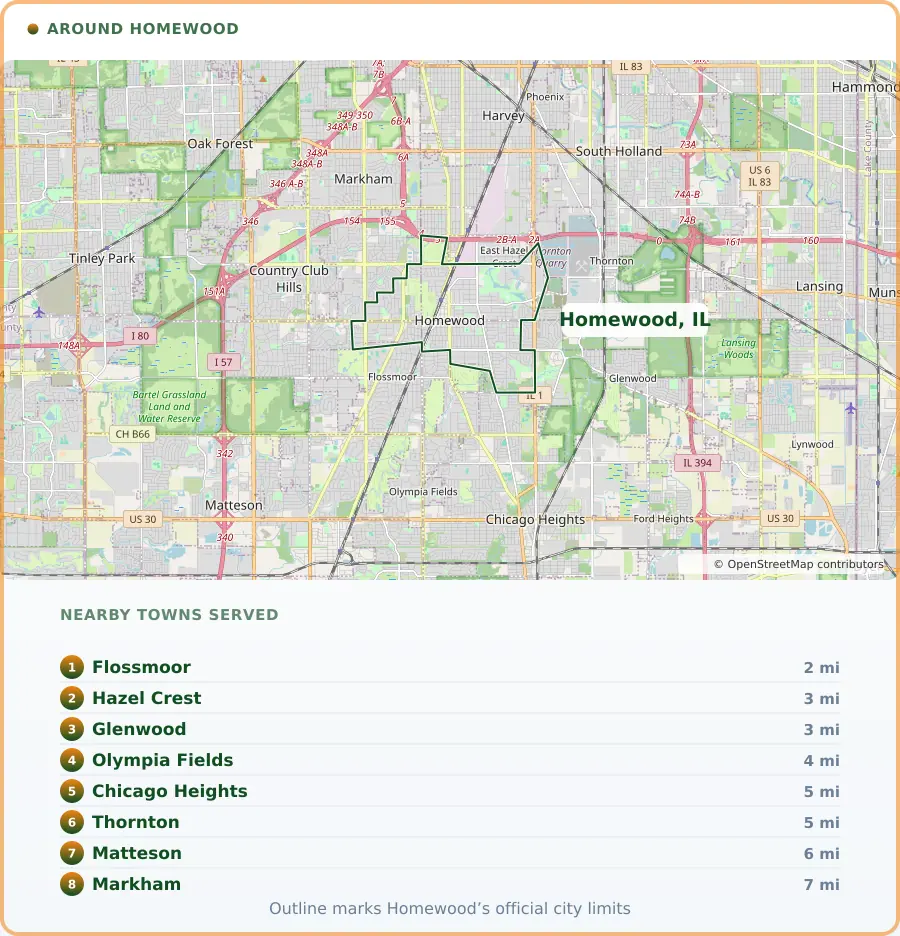
Based in Homewood, IL, with 8 nearby communities inside the service area — near enough to reach quickly, not just listed on a map.
Homewood, IL Information
Just south of Chicago, Homewood, IL carries the steady rhythm of a true rail town. The Canadian National yard nearby and a busy Metra station tie this community of about 19,300 to the Southland region's long freight legacy, while plenty of residents ride the rails north each day for work in the city. Downtown Homewood still anchors daily life, its storefronts, schools, and public services forming the backbone of the local economy alongside familiar names like Walmart, Jewel-Osco, and ALDI.
It's a village built on dependable institutions — strong schools, an active public library, and a municipal government that keeps neighborhoods like West Homewood and East Homewood running smoothly. Add a friendly stretch of local dining and shops, and you get a quietly confident suburb that knows exactly what it is.
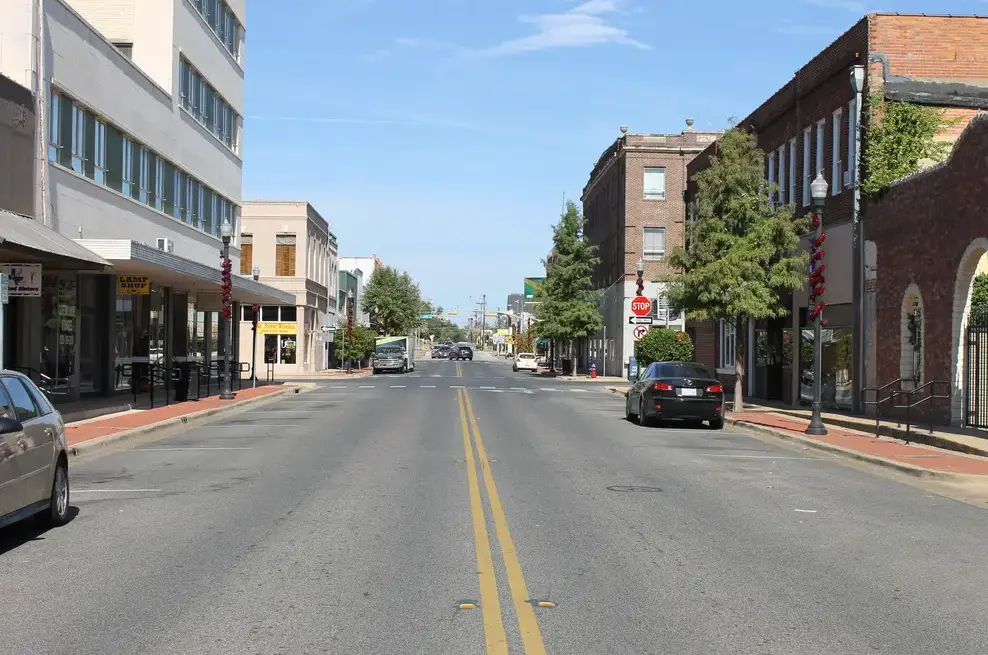
Photo: Billy Hathorn, CC BY-SA 3.0