

Water Damage Inspection & Assessment in Homewood, IL
Homewood's older homes with full basements face particular vulnerability to water intrusion during heavy seasonal rainfall and spring snowmelt, when aging drainage systems become overwhelmed and basement seepage develops. Water Damage Inspection & Assessment identifies the source and extent of moisture intrusion—whether from foundation cracks, sump pump failure, or saturated soil—so property owners understand what they're facing before restoration begins. Early, thorough assessment protects your home's structure and foundation from long-term damage.
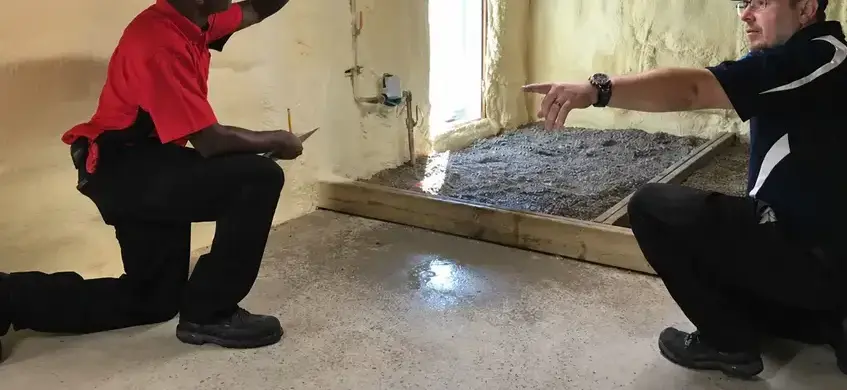
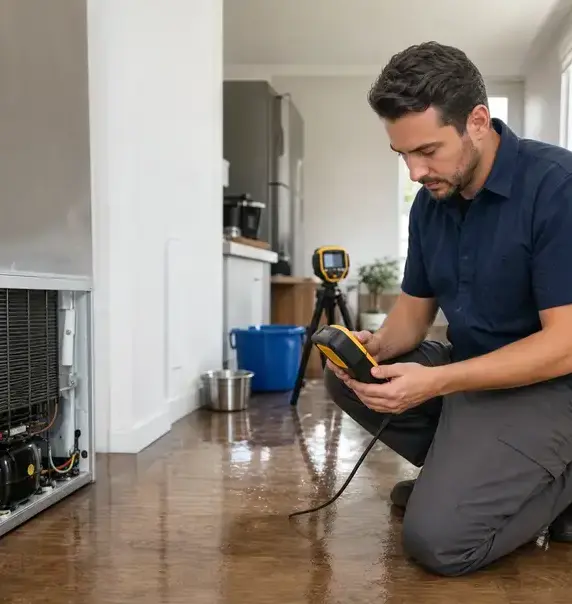
Water Damage Inspection & Assessment Needs in Homewood
Homewood's older homes with full basements face particular vulnerability to water intrusion during heavy seasonal rainfall and spring snowmelt. When precipitation exceeds the capacity of aging drainage systems and municipal storm sewers in the area, water can find its way into basements and lower levels—sometimes gradually through seepage, sometimes suddenly through sump pump failure or overwhelmed perimeter drains. Property owners who notice dampness, discoloration, musty odors, or active water entry need prompt Water Damage Inspection & Assessment to understand the full scope of what has occurred and prevent further deterioration of structure and contents. Identifying the source and extent of water damage early is critical to stopping ongoing moisture problems and planning an effective response.
Grover Water Damage Restoration connects Homewood property owners with local independent providers who conduct thorough Water Damage Inspection & Assessment to document moisture damage, trace water entry points, and evaluate affected materials and systems. These professionals use diagnostic tools and visual inspection to create a clear picture of damage severity and affected areas throughout the home. Their detailed findings guide decisions about restoration priorities and next steps, whether drying and salvage are realistic or removal is necessary. When you contact Grover, you gain quick access to a local provider ready to assess your situation and discuss what comes next.
Why Homewood Property Owners Trust Grover for Water Damage Inspection
Fast, Local Damage Assessment
Water Damage Inspection & Assessment begins immediately when you call. Grover connects you with independent local providers who respond quickly to document damage, identify moisture intrusion points, and establish a clear restoration roadmap for your property.
Thorough Inspection Identifies Hidden Damage
Water Damage Inspection & Assessment uncovers moisture in walls, floors, and structural cavities invisible to the naked eye. Grover's network uses systematic evaluation to catch secondary damage early, preventing costly problems from worsening after initial water removal.
Clear Communication Throughout Assessment
Water Damage Inspection & Assessment means detailed findings explained in plain language. Grover connects you with local providers who document all affected areas, answer your questions, and prepare comprehensive reports to guide decisions and insurance claims.
Spring Thaw & Seasonal Drainage Require Expert Eyes
Homewood's older homes with full basements face seasonal water challenges from heavy spring runoff and aging drainage systems. Water Damage Inspection & Assessment identifies whether seepage stems from foundation cracks, sump pump issues, or overwhelmed grading—critical details for effective repair.
How Our Water Damage Inspection & Assessment Process Works
From your initial call to the final inspection, we provide a structured, professional, and efficient process to ensure your property is fully restored after Water Damage Inspection & Assessment.
Schedule Your Water Damage Inspection & Assessment Visit
Contact Grover to connect with a local water damage restoration provider in Homewood who will schedule a prompt inspection and assessment of your property. The provider will evaluate the extent and source of water damage to develop an accurate restoration plan.
Professional Water Damage Inspection & Assessment On-Site
An independent local provider arrives to perform a detailed inspection and assessment of affected areas, identifying moisture intrusion points and damage severity. Given Homewood's older homes with full basements and the region's heavy seasonal rainfall, the assessment often focuses on basement seepage, sump pump performance, and foundation drainage—key concerns that guide next steps.
Receive Your Inspection & Assessment Report and Next Steps
The provider shares findings from the water damage inspection and assessment, outlining the damage scope and recommended restoration approach. You'll have a clear picture of what happened and the path forward to address it.
Dealing with Water Damage Inspection & Assessment in Homewood? Get fast, professional help.
Call Now — (708) 773-7699Water Damage Assessment Serving Homewood
Homewood's housing stock presents distinct inspection challenges rooted in its age and construction. Most properties in the area feature full basements—a hallmark of Chicago-region suburbs—which expose them to seepage, drainage failure, and sump pump breakdown during periods of heavy rainfall and spring snowmelt. When seasonal water volume exceeds the capacity of aging storm sewers and foundation drainage systems, basements become the first point of failure. A thorough water damage inspection in Homewood must account for these vulnerabilities, examining not only visible water intrusion but also the condition of sump pumps, perimeter drains, and basement walls that may have absorbed moisture over decades.
Properties across neighborhoods like the Homewood Historic District and West Homewood rely on inspection protocols tailored to older construction methods and materials. Foundation cracks, deteriorated mortar joints, and saturated soil conditions around the perimeter are common findings that require careful assessment to determine whether damage is active, dormant, or spreading. Early detection through professional water damage inspection and assessment helps property owners understand the scope of the problem and make informed decisions about restoration before secondary damage—such as mold growth or structural compromise—takes hold.
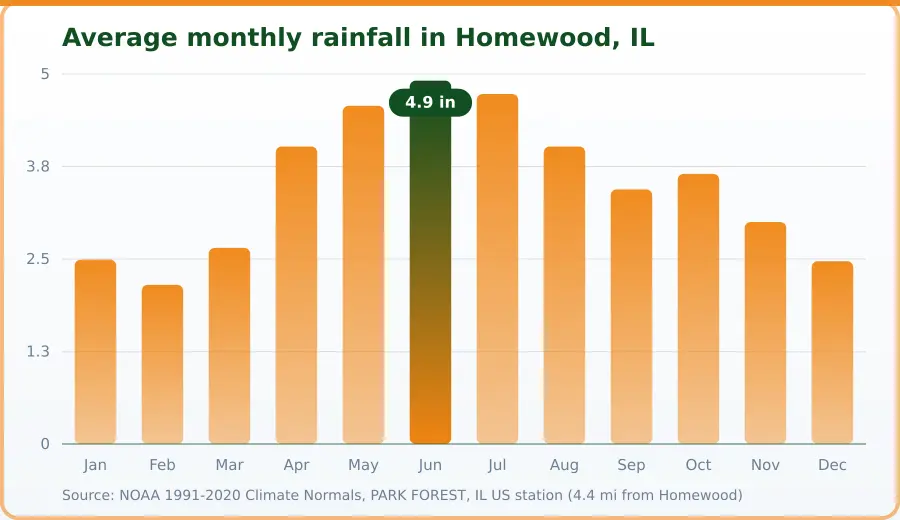
| Period | Monthly rainfall (in) |
|---|---|
| Jan | 2.5 |
| Feb | 2.2 |
| Mar | 2.7 |
| Apr | 4 |
| May | 4.6 |
| Jun | 4.9 |
| Jul | 4.7 |
| Aug | 4 |
| Sep | 3.4 |
| Oct | 3.7 |
| Nov | 3 |
| Dec | 2.5 |
Source: NOAA 1991-2020 Climate Normals, PARK FOREST, IL US station (4.4 mi from Homewood). Retrieved October 4, 2026.
Seasonal Water Damage Inspection Needs in Homewood
Spring: Snowmelt & Drainage Assessment
Spring thaw and heavy seasonal rainfall test basement drainage systems and sump pump capacity across Homewood's older homes. Professional water damage inspection and assessment identifies whether drainage infrastructure can handle the volume, catching seepage and pump failures before they flood basements and living spaces.
Summer: Heat & Humidity Inspection
Warm, humid summers increase evaporation and condensation in basements and crawl spaces, masking slow leaks and moisture accumulation. Detailed water damage inspection and assessment during this season uses thermal and moisture-mapping tools to detect hidden water intrusion that visual inspection alone might miss, preventing mold development.
Fall: Pre-Winter Preparation
Fall is the ideal window for comprehensive water damage inspection and assessment before freeze-thaw cycles stress plumbing and foundation joints. Early detection of cracks, deteriorated seals, and drainage vulnerabilities allows property owners to address vulnerabilities before winter weather arrives and water penetration accelerates.
Winter: Freeze-Thaw & Pipe Risk
Freezing temperatures and thaw cycles can crack pipes and worsen existing foundation weaknesses, while ice dams redirect water into walls and attics. Rapid water damage inspection and assessment helps identify whether damage is recent or part of ongoing moisture problems, guiding both emergency response and longer-term repair planning.
Related Services
Homeowner Safety Toolkit
Verify Your Homewood, IL Water Damage Restoration Company
Before you hire anyone, use these independent national resources to confirm credentials, standards, and track record.
IICRC
Sets the technical standards for water damage restoration. Confirm a company's technicians hold real, current IICRC certification before you hire them.
Verify CertificationEPA
The federal government's own guidance on drying out a water-damaged home fast enough to keep mold from taking hold.
Mold Prevention GuideBBB
Look up any restoration company's complaint history, customer reviews, and accreditation status — a free, independent check before you hire.
Check StandingWater Damage Inspection & Assessment FAQs — Homewood, IL
A water damage inspection and assessment identifies the source, extent, and affected areas of water intrusion in your home. The inspector examines visible damage, checks for hidden moisture in walls and floors, documents affected materials, and evaluates structural and safety concerns. This detailed report forms the foundation for restoration planning and insurance claims.
Grover connects Homewood property owners with local water damage inspectors fast—often same-day or next-day availability for urgent situations. When water damage is active or you suspect hidden moisture, contact Grover immediately to get a qualified inspector to your home without delay.
Inspection costs vary based on your home's size, the extent of visible damage, and how much area needs moisture testing. Inspectors assess whether damage is limited to one room or has spread through multiple levels, and whether specialized equipment is needed to detect moisture behind surfaces. Grover connects you with local providers who can discuss pricing during initial contact.
Before the inspector arrives, ensure safe access to affected areas and document visible damage with photos. Keep water sources shut off if safe to do so, and provide the inspector with information about when damage started and any obvious entry points. Clear pathways to your basement and other areas where moisture may have accumulated so the assessment is thorough.
Yes. A thorough inspection can distinguish between heavy rainfall infiltration, sump pump failure, foundation seepage, and plumbing leaks—all common basement moisture sources in older Homewood homes. Identifying the root cause is essential for effective restoration and for preventing recurrence, making assessment a critical first step.
Spring snowmelt and seasonal heavy rainfall put added pressure on aging drainage systems and basement foundations throughout the region. If you notice any dampness, staining, or musty odors in your basement or lower levels during wet seasons, prompt inspection can catch moisture problems before they worsen and cause structural or material damage.
Dealing with Water Damage Inspection & Assessment in Homewood, IL? Call (708) 773-7699 for 24/7 help.
Call Now — (708) 773-7699Areas We Serve Near Homewood, Illinois
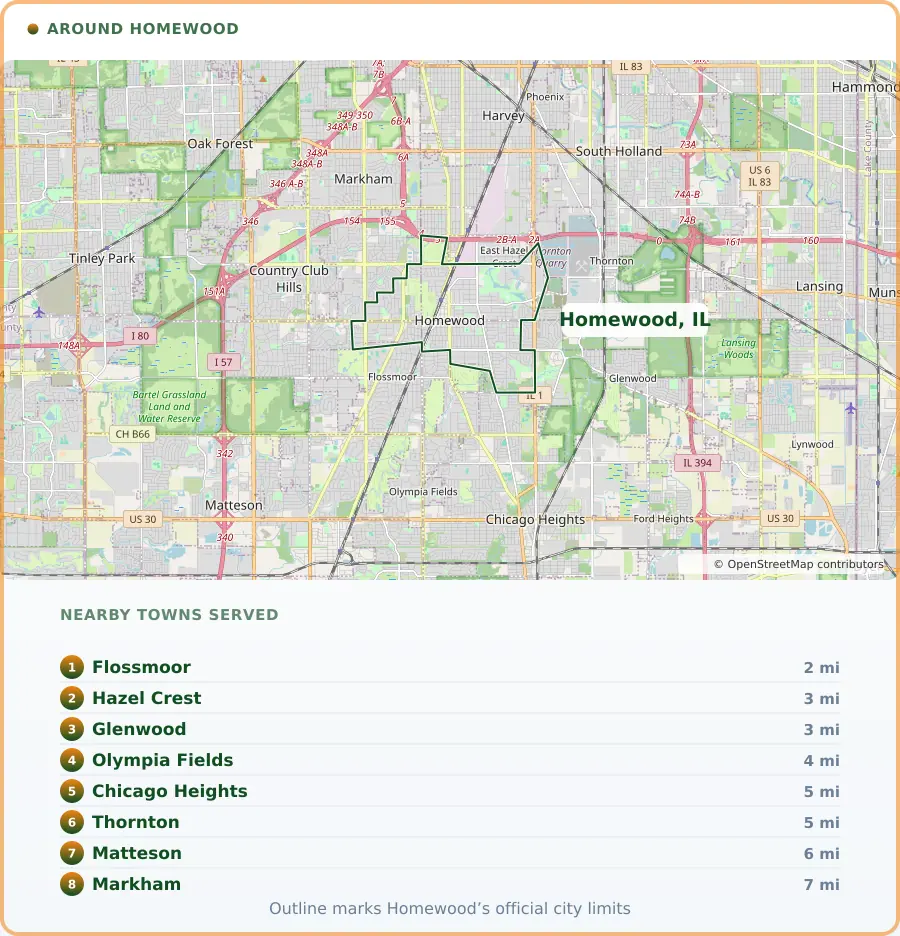
Based in Homewood, IL, with 8 nearby communities inside the service area — near enough to reach quickly, not just listed on a map.
Homewood, IL Information
Just south of Chicago, Homewood, IL carries the steady rhythm of a true rail town. The Canadian National yard nearby and a busy Metra station tie this community of about 19,300 to the Southland region's long freight legacy, while plenty of residents ride the rails north each day for work in the city. Downtown Homewood still anchors daily life, its storefronts, schools, and public services forming the backbone of the local economy alongside familiar names like Walmart, Jewel-Osco, and ALDI.
It's a village built on dependable institutions — strong schools, an active public library, and a municipal government that keeps neighborhoods like West Homewood and East Homewood running smoothly. Add a friendly stretch of local dining and shops, and you get a quietly confident suburb that knows exactly what it is.
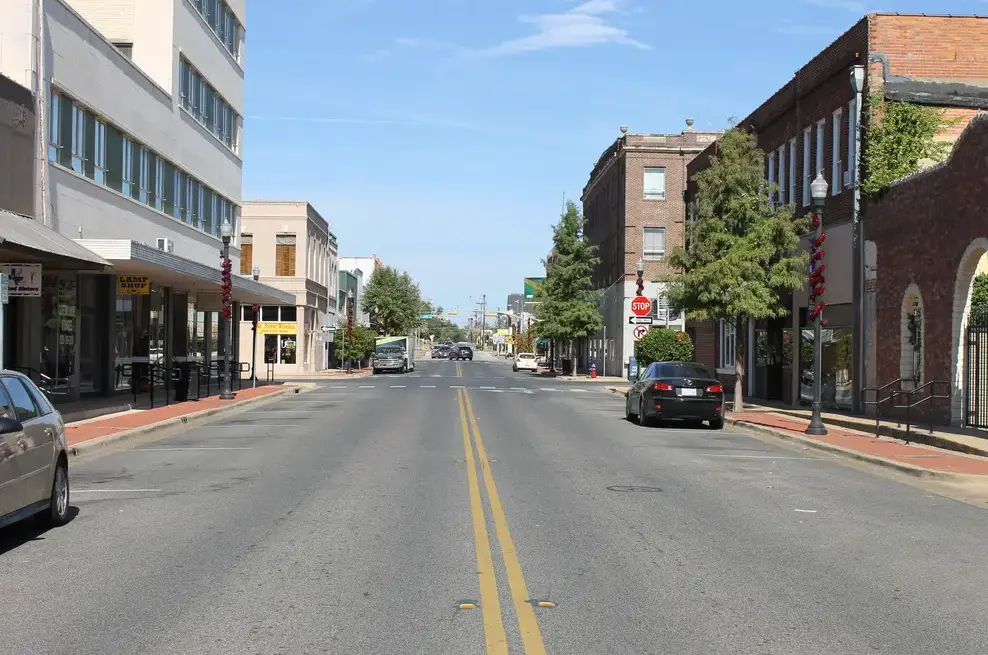
Photo: Billy Hathorn, CC BY-SA 3.0