

Water Mitigation in Homewood, IL
Homewood's older homes with full basements face particular risk from spring snowmelt and heavy seasonal rainfall that can overwhelm local drainage systems, leading to seepage and sump pump failures that threaten foundations and basements. Water mitigation—the rapid removal and drying of standing water before structural damage spreads—is critical to protecting property and preventing mold growth in homes across neighborhoods like the Homewood Historic District and West Homewood. Grover Water Damage Restoration connects you with independent local restoration providers who respond quickly to active water emergencies, helping minimize damage and begin the recovery process.
Water Mitigation Services for Homewood Homeowners
Homewood's older homes with full basements face a persistent water challenge: heavy seasonal rainfall and spring snowmelt can overwhelm the aging storm sewers and drainage systems designed decades ago. When water enters a basement through seepage, cracks, or failed sump pumps, the window to stop further damage is narrow. Water Mitigation in Homewood means acting quickly to remove standing water, dry affected spaces, and prevent the cascade of problems—structural damage, mold growth, and ruined belongings—that follows when moisture sits. Property owners throughout Homewood, from the Historic District to West Homewood, understand that water intrusion is not a question of if, but when, and how fast you respond determines the outcome.
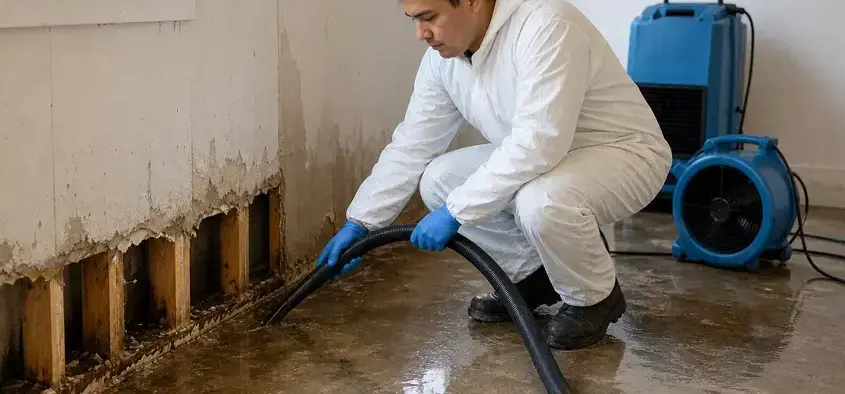
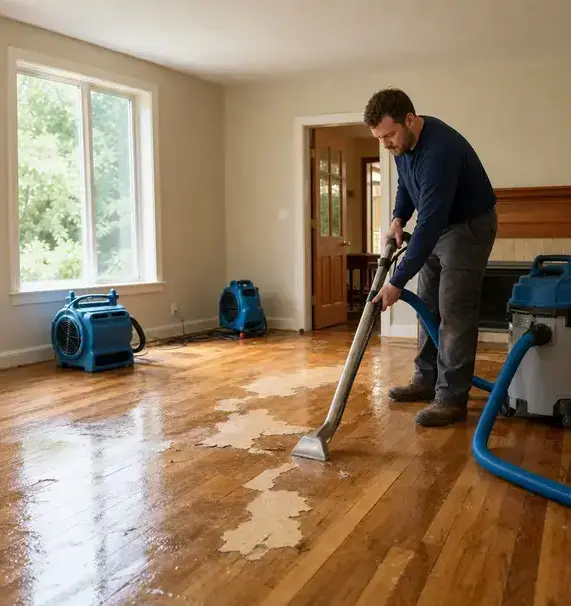
Grover Water Damage Restoration connects Homewood homeowners with independent local providers who specialize in Water Mitigation response. When you call, the goal is immediate: extracting standing water, assessing moisture depth in walls and floors, and launching a thorough drying strategy tailored to your home's layout and the water's extent. These providers don't simply remove visible water and leave—they monitor moisture levels, manage airflow and dehumidification, and follow up to confirm the space is truly dry and stable. For active water emergencies in Homewood, rapid local connection to a mitigation provider is your first step toward protecting what matters most.
Why Homewood Property Owners Choose Grover for Water Mitigation
Fast Water Mitigation Response
Water mitigation delays compound damage. Grover connects you with local providers ready to respond quickly, extracting standing water and beginning drying efforts before secondary damage spreads through walls and structural materials.
Water Mitigation With Clear Process
Effective water mitigation requires transparent steps—assessment, extraction, dehumidification, and monitoring. Local providers in Grover's network walk you through each phase so you understand what's happening and what comes next.
Thorough Water Mitigation Techniques
Water mitigation isn't one-and-done. Providers remove visible water, then use specialized equipment to dry hidden moisture in cavities, subflooring, and insulation—preventing mold growth and material failure down the line.
Prepared for Seasonal Water Risks
Homewood's older homes with full basements face seasonal challenges. Heavy spring rainfall and snowmelt can overwhelm aging drainage systems, making basement seepage a real concern. Water mitigation from local providers stops intrusion before it becomes a larger restoration problem.
How Our Water Mitigation Process Works
From your initial call to the final inspection, we provide a structured, professional, and efficient process to ensure your property is fully restored after Water Mitigation.
Contact Grover for Water Mitigation
Reach out to Grover and describe your water damage situation—whether it's basement seepage, sump pump failure, or water intrusion from heavy rain. We'll connect you with a local water mitigation provider in Homewood who can respond quickly to stop ongoing water intrusion and prevent further damage.
Water Mitigation Assessment & Extraction
The local provider arrives to evaluate the extent of water intrusion and identify its source. They perform water extraction, remove saturated materials, and deploy drying equipment to stop moisture spread—critical steps in water mitigation that prevent structural deterioration and mold growth.
Drying, Monitoring & Restoration
The provider monitors moisture levels throughout your home and adjusts drying equipment as needed. Once affected areas reach normal moisture content, they document the water mitigation work and coordinate with you on next steps for repairs and restoration.
Dealing with Water Mitigation in Homewood? Get fast, professional help.
Call Now — (708) 773-7699Water Mitigation Needs Across Homewood
Homewood's housing stock reflects the age and construction patterns of the greater Chicago suburbs, with many properties built decades ago and featuring full basements. This older foundation design, while common to the region, creates distinct water-mitigation challenges. Basements in these homes are particularly vulnerable to seepage during periods of heavy rainfall and spring snowmelt, when water tables rise and aging storm sewers and drainage systems become overwhelmed. Sump pump failures are a frequent concern in this environment, leaving basements exposed to standing water that can damage foundations, utilities, and stored items within hours.
Water mitigation in Homewood requires a rapid response to address these seasonal vulnerabilities before minor seepage escalates into structural or health hazards. Whether in the Historic District or across West and East Homewood, property owners benefit from connecting with local restoration providers who understand how regional weather patterns interact with aging basement systems. Grover Water Damage Restoration links you directly to independent local providers equipped to assess basement water damage, manage drainage failures, and begin mitigation work without delay.
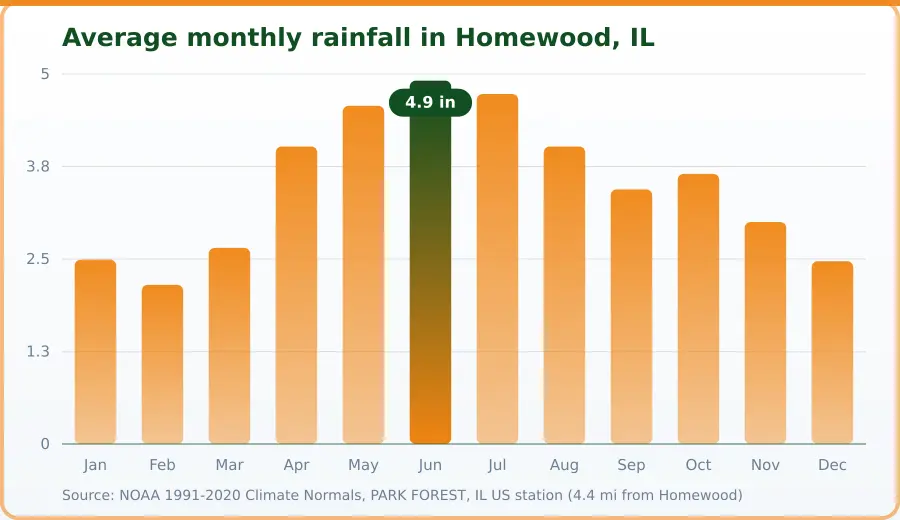
| Period | Monthly rainfall (in) |
|---|---|
| Jan | 2.5 |
| Feb | 2.2 |
| Mar | 2.7 |
| Apr | 4 |
| May | 4.6 |
| Jun | 4.9 |
| Jul | 4.7 |
| Aug | 4 |
| Sep | 3.4 |
| Oct | 3.7 |
| Nov | 3 |
| Dec | 2.5 |
Source: NOAA 1991-2020 Climate Normals, PARK FOREST, IL US station (4.4 mi from Homewood). Retrieved October 4, 2026.
Seasonal Water Mitigation Challenges in Homewood, IL
Spring: Snowmelt & Drainage Strain
Spring thaw and heavy rains push water into basements through foundations and overwhelmed drainage systems common in older Homewood homes. Water mitigation efforts focus on sump pump inspection, foundation crack sealing, and rapid extraction to prevent structural damage and mold growth.
Summer: Heat & Humidity Risk
Summer heat accelerates evaporation indoors after water intrusion, but high humidity slows drying and increases mold risk. Water mitigation teams use dehumidifiers and air movers strategically to manage moisture and protect building materials from decay and warping.
Fall: Gutter Clogs & Saturation
Falling leaves clog gutters and downspouts, redirecting rainfall toward foundations—a particular concern in tree-lined areas like the Homewood Historic District. Water mitigation includes clearing drainage paths and addressing seepage before winter weather compounds the problem.
Winter: Freeze-Thaw & Pipe Bursts
Freezing temperatures crack pipes and foundations; thawing creates interior water release. Water mitigation responds to burst-pipe flooding and frozen-line backups with emergency extraction, dehumidification, and moisture mapping to halt damage progression in homes across East Homewood and beyond.
Homeowner Safety Toolkit
Verify Your Homewood, IL Water Damage Restoration Company
Before you hire anyone, use these independent national resources to confirm credentials, standards, and track record.
IICRC
Sets the technical standards for water damage restoration. Confirm a company's technicians hold real, current IICRC certification before you hire them.
Verify CertificationEPA
The federal government's own guidance on drying out a water-damaged home fast enough to keep mold from taking hold.
Mold Prevention GuideBBB
Look up any restoration company's complaint history, customer reviews, and accreditation status — a free, independent check before you hire.
Check StandingWater Mitigation FAQs — Homewood, IL
Water mitigation stops ongoing water intrusion and removes standing water to prevent further damage. This includes extracting water, drying affected areas, and addressing the source—such as sealing foundation cracks, repairing sump pump failures, or improving drainage around your home. The goal is to stabilize conditions quickly before mold, structural damage, or other secondary problems develop.
Grover connects you with local water mitigation providers in and around Homewood who understand the urgency of active water damage. Response times depend on current demand and your location within the area, but local providers can typically dispatch crews the same day or next morning. Call immediately if water is actively entering your home or basement to get on a provider's priority list.
Water mitigation pricing depends on the volume of water present, the size of the affected area, how long water has been sitting, and what's causing the intrusion. Basement seepage, sump pump problems, and foundation issues each present different mitigation needs. Independent providers will assess your specific situation and provide pricing details before work begins.
Before mitigation crews arrive, move valuables and personal items away from wet areas if it's safe to do so. Turn off electrical power to affected rooms if water is near outlets or appliances. Document the damage with photos for your insurance claim. Clear access paths to basements and problem areas so providers can quickly deploy equipment and begin extraction and drying.
Water mitigation removes current water and moisture, but preventing future seepage requires addressing root causes—such as grading, gutter maintenance, foundation crack repair, or sump pump upgrades. The local providers Grover connects you with can recommend long-term drainage improvements during or after mitigation to reduce your risk of recurring basement water problems.
Homewood properties, many with older full basements, face the highest water-intrusion risk during periods of heavy rainfall and spring snowmelt, when aging drainage systems become overwhelmed. These seasonal wet periods demand quick mitigation response to prevent basement saturation. If heavy rain is forecast or snow is melting, inspect basements and sump pumps beforehand and have a mitigation provider's contact ready.
Dealing with Water Mitigation in Homewood, IL? Call (708) 773-7699 for 24/7 help.
Call Now — (708) 773-7699Areas We Serve Near Homewood, Illinois
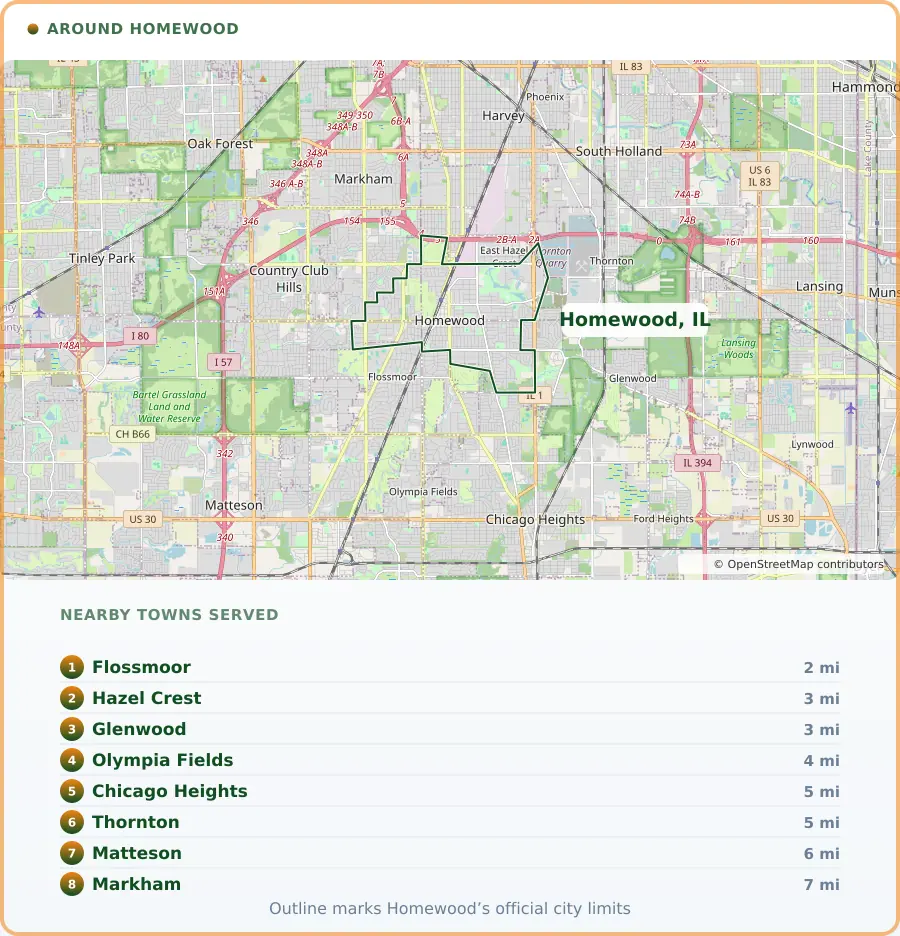
Based in Homewood, IL, with 8 nearby communities inside the service area — near enough to reach quickly, not just listed on a map.
Homewood, IL Information
Just south of Chicago, Homewood, IL carries the steady rhythm of a true rail town. The Canadian National yard nearby and a busy Metra station tie this community of about 19,300 to the Southland region's long freight legacy, while plenty of residents ride the rails north each day for work in the city. Downtown Homewood still anchors daily life, its storefronts, schools, and public services forming the backbone of the local economy alongside familiar names like Walmart, Jewel-Osco, and ALDI.
It's a village built on dependable institutions — strong schools, an active public library, and a municipal government that keeps neighborhoods like West Homewood and East Homewood running smoothly. Add a friendly stretch of local dining and shops, and you get a quietly confident suburb that knows exactly what it is.
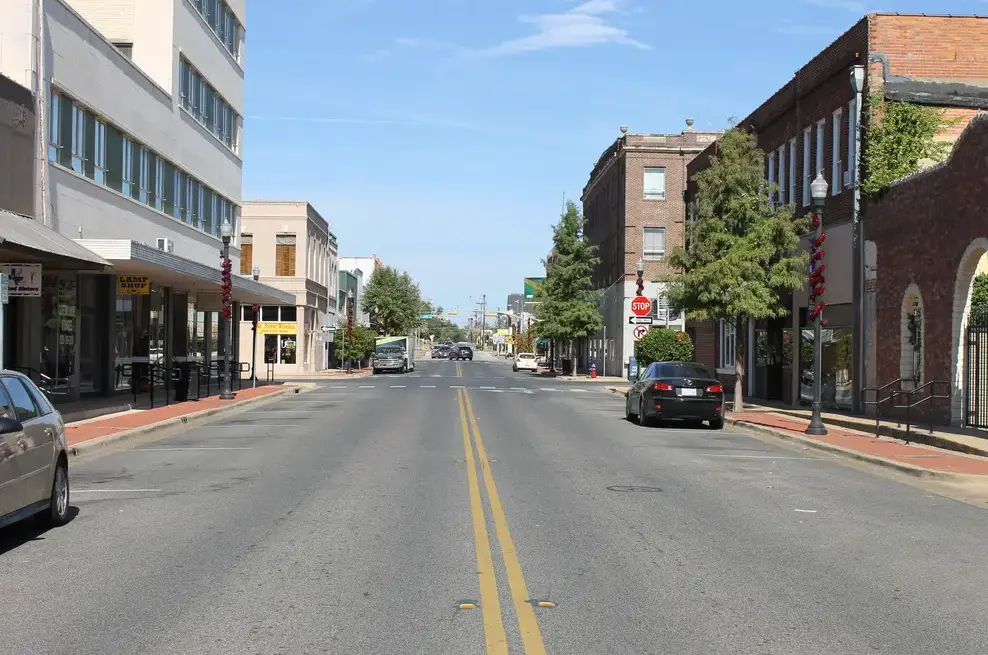
Photo: Billy Hathorn, CC BY-SA 3.0