

Water Damage Reconstruction in Homewood, IL
Older homes throughout Homewood, particularly in areas like the Homewood Historic District, face recurring basement water intrusion from heavy seasonal rainfall and spring snowmelt that strain aging drainage systems. Water damage reconstruction addresses the structural and interior restoration needed after seepage, sump pump failure, or backed-up drainage compromises a property. Grover connects Homewood property owners with local restoration providers who can assess damage, manage water removal and drying, and guide the reconstruction process to restore your home's integrity.
Water Damage Reconstruction Services for Homewood Homes
Homewood property owners face distinct water damage risks tied to the region's climate and aging home construction. Older homes with full basements, common throughout this Chicago-area suburb, are particularly vulnerable when heavy seasonal rainfall and spring snowmelt overtax local drainage systems and sump pumps. Basement seepage, foundation dampness, and water intrusion from overwhelmed storm sewers can escalate quickly, threatening structural integrity, stored belongings, and indoor air quality. The longer water sits untreated, the greater the risk of secondary damage—and the more complex the reconstruction work becomes. Understanding when and how to pursue professional Water Damage Reconstruction is essential for Homewood residents who want to restore their homes to safe, livable condition.
Grover Water Damage Restoration connects Homewood property owners with independent local providers who specialize in Water Damage Reconstruction—the full process of extracting water, drying affected areas, and rebuilding damaged materials and systems. These providers work methodically to assess the extent of damage, document the loss for insurance purposes, and execute reconstruction that returns your home to its pre-loss state. Whether the damage stems from basement flooding, sump pump failure, or other water-intrusion events, the goal is thorough, lasting restoration. Reach out to connect with a local provider who can begin the reconstruction process promptly and help you move forward.
Why Homewood Property Owners Choose Grover for Water Damage Reconstruction
Fast Local Water Damage Response
Water Damage Reconstruction requires speed. Grover connects you with independent local providers in Homewood who arrive quickly to assess and begin mitigation, minimizing further absorption and structural harm.
Thorough Water Damage Reconstruction Methods
Effective Water Damage Reconstruction demands systematic extraction, drying, and monitoring. Providers in the Grover network apply proven techniques to restore affected areas and prevent long-term moisture problems.
Clear Communication Throughout Reconstruction
Water Damage Reconstruction is less stressful when you understand each step. Grover's independent local providers keep you informed about assessment findings, treatment plans, and progress toward full restoration.
Basement Water Damage in Older Homes
Homewood's older homes with full basements face particular risk from heavy seasonal rainfall and spring snowmelt overwhelming aging drainage systems. Grover connects you with local providers experienced in Water Damage Reconstruction for basement seepage and sump pump failures common in the area.
How Our Water Damage Reconstruction Process Works
From your initial call to the final inspection, we provide a structured, professional, and efficient process to ensure your property is fully restored after Water Damage Reconstruction.
Contact Grover for Water Damage Reconstruction
Reach out to Grover with details about water intrusion, seepage, or flooding affecting your Homewood home. We connect you quickly with local water damage reconstruction providers ready to assess and address the damage.
Assessment of Water Damage and Reconstruction Needs
A local provider inspects affected areas to determine the extent of water damage, identify sources like basement seepage or drainage failures common in older Homewood homes, and develop a water damage reconstruction plan tailored to your property.
Water Damage Reconstruction and Restoration
The provider executes water removal, structural drying, and reconstruction of damaged materials and systems. Follow-up ensures your home is fully restored and protected against future water damage concerns.
Dealing with Water Damage Reconstruction in Homewood? Get fast, professional help.
Call Now — (708) 773-7699Water Damage Reconstruction Serving Homewood and Nearby Areas
Homewood's housing stock—predominantly older homes with full basements—creates distinct water damage reconstruction challenges tied to the region's seasonal weather patterns. When heavy rainfall and spring snowmelt arrive, aging storm sewers and basement drainage systems in the area can become overwhelmed, leading to seepage, foundation moisture intrusion, and sump pump failures. These conditions demand rapid, targeted reconstruction work to prevent structural compromise and secondary damage. Whether the issue originates from external groundwater pressure or internal system breakdown, the older construction typical of neighborhoods like the Homewood Historic District and West Homewood requires reconstruction specialists who understand how moisture moves through decades-old foundations and drainage infrastructure.
Water damage reconstruction in Homewood is most effective when initiated quickly after water intrusion is discovered. The combination of aging basements and seasonal water pressure means that delays allow moisture to spread into framing, insulation, and below-grade spaces where it becomes difficult to fully dry and restore. Grover connects Homewood property owners with independent local restoration providers who understand these regional patterns and can mobilize to address basement seepage, pump failures, and water intrusion before secondary damage compounds repair needs.
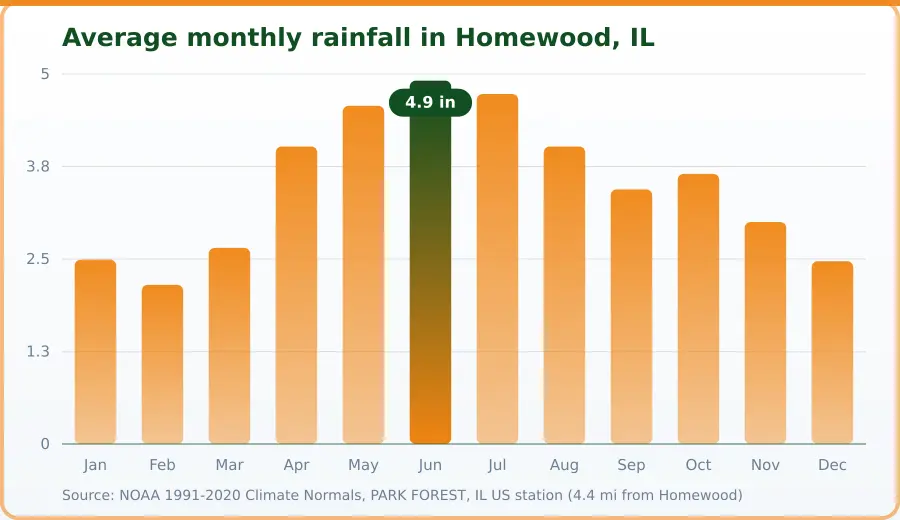
| Period | Monthly rainfall (in) |
|---|---|
| Jan | 2.5 |
| Feb | 2.2 |
| Mar | 2.7 |
| Apr | 4 |
| May | 4.6 |
| Jun | 4.9 |
| Jul | 4.7 |
| Aug | 4 |
| Sep | 3.4 |
| Oct | 3.7 |
| Nov | 3 |
| Dec | 2.5 |
Source: NOAA 1991-2020 Climate Normals, PARK FOREST, IL US station (4.4 mi from Homewood). Retrieved October 4, 2026.
Seasonal Water Damage Reconstruction Risks in Homewood
Spring: Snowmelt & Drainage Overwhelm
Spring thaw and heavy rainfall push aging storm sewers and basement drainage systems beyond capacity in Homewood's older homes with full basements. Water damage reconstruction becomes critical as seepage and sump pump failures flood basements. Grover connects property owners to local restoration providers who assess and repair water-damaged structures before mold takes hold.
Summer: Heat & Humidity Acceleration
Warm, humid summer conditions speed moisture penetration into walls, flooring, and structural materials after spring water intrusion—while thunderstorms can trigger fresh damage. Water damage reconstruction must address both hidden and active moisture to prevent deterioration. Grover helps property owners reach local restoration specialists who dry and rebuild affected areas before secondary damage compounds.
Fall: Debris & Drainage Strain
Autumn rainfall combines with clogged gutters and downspout blockages to direct water toward foundations and basements. Water damage reconstruction addresses seepage that settles into crawl spaces and lower levels before winter arrives. Grover links property owners with local providers who clear drainage paths and repair water-damaged materials in preparation for freezing weather.
Winter: Freeze-Thaw & Pipe Risk
Freezing temperatures can crack pipes and burst plumbing lines, releasing water into walls and finished spaces; thawing cycles worsen structural stress. Water damage reconstruction following freeze damage requires rapid water extraction and careful drying to prevent permanent warping and rot. Grover connects property owners to local restoration teams who respond quickly to winter water emergencies in Homewood neighborhoods.
Water Damage Reconstruction FAQs — Homewood, IL
Water damage reconstruction is the full process of restoring a property after water intrusion. It includes assessment and documentation, water removal, structural drying, cleaning and sanitization, and rebuilding or replacing damaged materials like drywall, flooring, and fixtures. The independent local providers Grover connects you to evaluate the extent of damage and create a restoration plan tailored to your Homewood home's specific needs.
Water damage requires urgent attention to prevent mold and structural deterioration. Grover connects Homewood property owners with independent local restoration providers available to respond promptly to active water emergencies. Quick initial contact and assessment are critical—reach out as soon as water intrusion occurs so the providers in the network can dispatch to your location and begin mitigation work.
Reconstruction costs depend on the extent of water damage, square footage affected, materials damaged, how long water was present, and whether structural components like framing or insulation need replacement. The independent providers Grover connects to will assess your property and provide pricing based on the scope of work required. Insurance coverage may offset some costs—discuss your policy details with your provider during the estimate.
Reconstruction typically begins with water removal and drying of affected areas, followed by demolition of unsalvageable materials. The independent providers then rebuild using new framing, drywall, flooring, and fixtures as needed. Expect the process to take days to weeks depending on damage severity. Your provider will keep you informed of progress and timelines throughout restoration work in your Homewood home.
Maintain gutters and downspouts to direct water away from your foundation, test sump pumps regularly to ensure they function during heavy rainfall, and inspect basement walls and floor seals for cracks or seepage. Monitor your property's drainage systems and address any signs of water pooling or dampness promptly. These steps help protect your Homewood property, especially during seasonal rainfall and snowmelt when water intrusion risk increases.
Heavy seasonal rainfall and spring snowmelt create peak water damage risk in the Homewood area, as aging drainage systems and storm sewers can become overwhelmed. Basement seepage and sump pump failures are particularly common concerns in older homes during these wet seasons. Staying vigilant about drainage and pump maintenance during spring and periods of heavy rain helps reduce the likelihood that you'll need water damage reconstruction services.
Homeowner Safety Toolkit
Verify Your Homewood, IL Water Damage Restoration Company
Before you hire anyone, use these independent national resources to confirm credentials, standards, and track record.
IICRC
Sets the technical standards for water damage restoration. Confirm a company's technicians hold real, current IICRC certification before you hire them.
Verify CertificationEPA
The federal government's own guidance on drying out a water-damaged home fast enough to keep mold from taking hold.
Mold Prevention GuideBBB
Look up any restoration company's complaint history, customer reviews, and accreditation status — a free, independent check before you hire.
Check StandingDealing with Water Damage Reconstruction in Homewood, IL? Call (708) 773-7699 for 24/7 help.
Call Now — (708) 773-7699Areas We Serve Near Homewood, Illinois
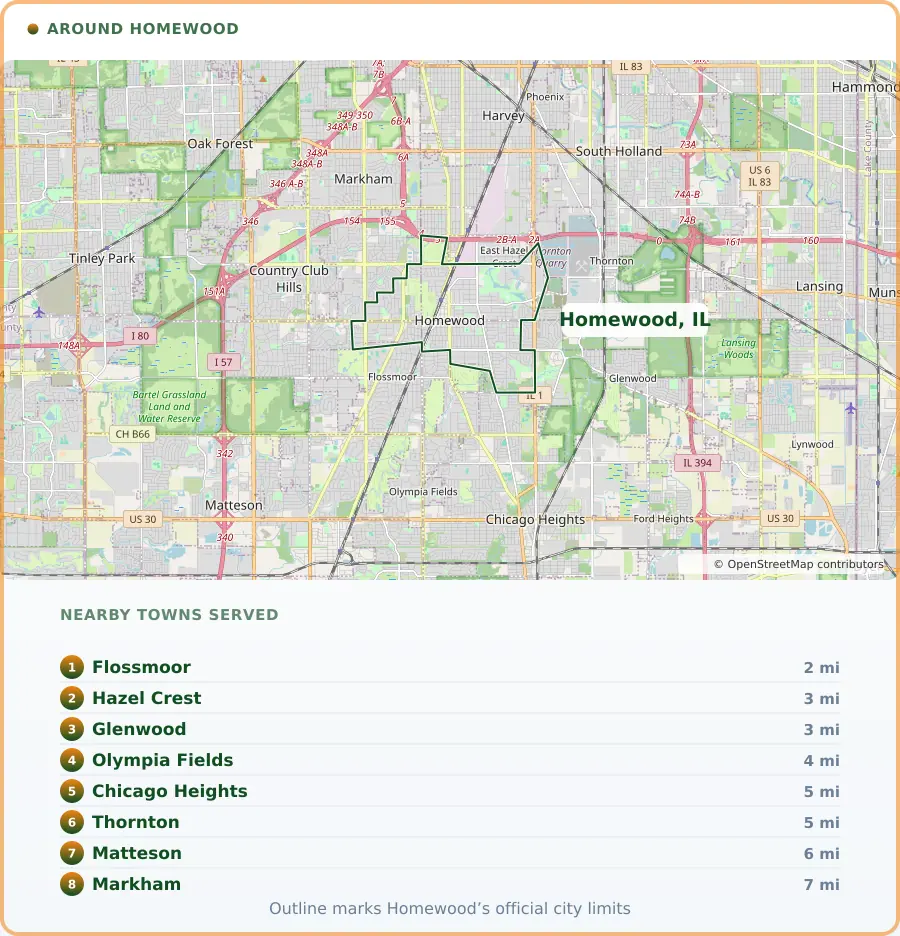
Based in Homewood, IL, with 8 nearby communities inside the service area — near enough to reach quickly, not just listed on a map.
Homewood, IL Information
Just south of Chicago, Homewood, IL carries the steady rhythm of a true rail town. The Canadian National yard nearby and a busy Metra station tie this community of about 19,300 to the Southland region's long freight legacy, while plenty of residents ride the rails north each day for work in the city. Downtown Homewood still anchors daily life, its storefronts, schools, and public services forming the backbone of the local economy alongside familiar names like Walmart, Jewel-Osco, and ALDI.
It's a village built on dependable institutions — strong schools, an active public library, and a municipal government that keeps neighborhoods like West Homewood and East Homewood running smoothly. Add a friendly stretch of local dining and shops, and you get a quietly confident suburb that knows exactly what it is.
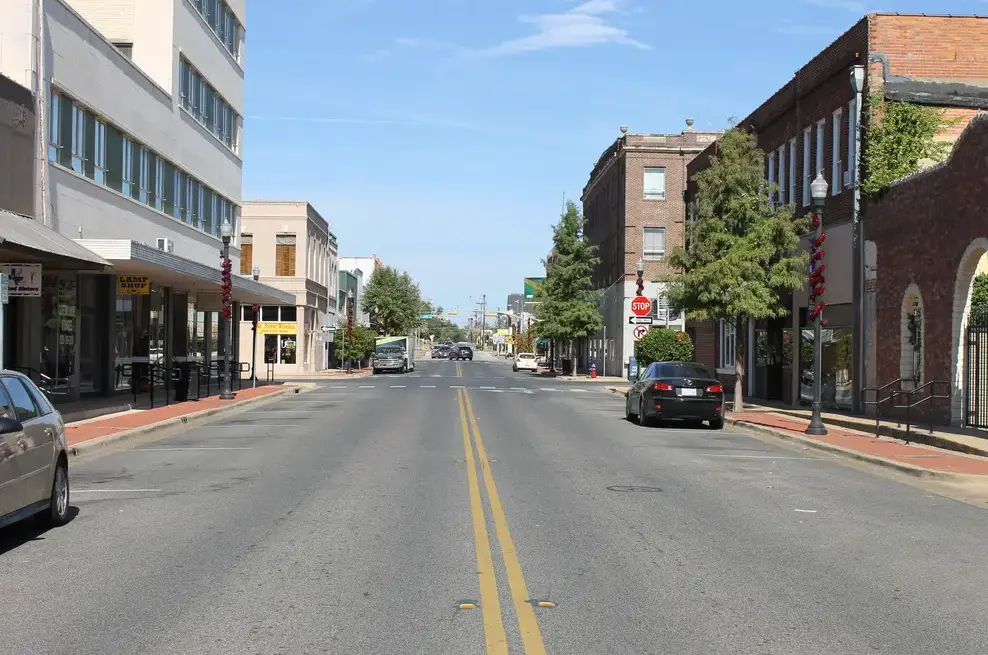
Photo: Billy Hathorn, CC BY-SA 3.0