

Hardwood Floor Water Damage in Homewood, IL
Older homes throughout Homewood, particularly in areas like the Homewood Historic District, commonly face hardwood floor water damage from basement seepage triggered by heavy spring rainfall and snowmelt that can exceed the capacity of aging drainage systems. When water infiltrates below floor level, hardwood planks absorb moisture and warp, cup, or buckle—damage that worsens quickly without professional extraction and drying. Grover Water Damage Restoration connects you with independent local restoration providers who respond to active hardwood floor damage in Homewood and can assess whether affected wood can be restored or requires replacement.
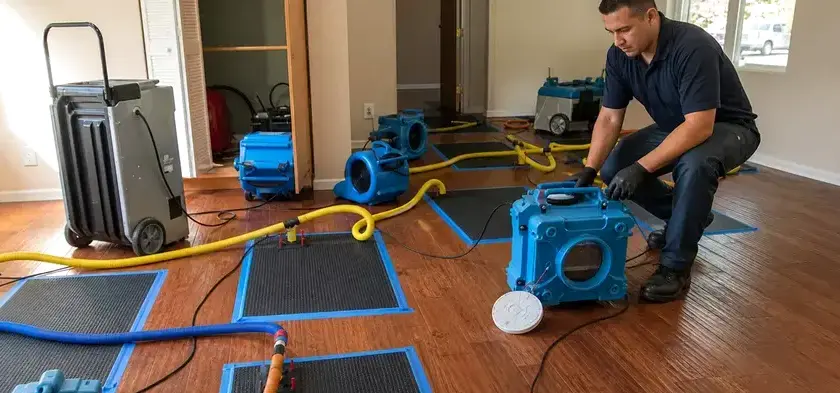
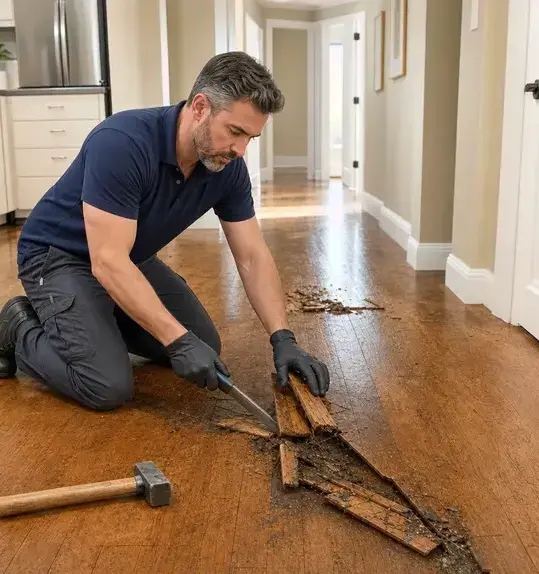
Hardwood Floor Water Damage Restoration in Homewood, IL
Homewood's older homes—many featuring the beautiful hardwood floors that define the area's character—face particular vulnerability to water intrusion. The region's seasonal rainfall and spring snowmelt can overwhelm aging drainage systems, allowing water to seep into basements and crawl spaces. When water reaches hardwood floors, the damage escalates quickly: wood swells, warps, and buckles as moisture penetrates the finish and subflooring. In neighborhoods like the Homewood Historic District and West Homewood, where period construction is common, addressing hardwood floor water damage promptly is essential to prevent permanent loss and mold growth beneath the surface.
Grover Water Damage Restoration connects Homewood property owners with local independent restoration providers who understand the urgency and complexity of hardwood floor water damage. These providers begin with thorough water removal and structural drying, then assess the extent of floor damage—determining which planks can be salvaged and dried in place versus those requiring removal. They work to prevent secondary damage, including cupping and delamination, and coordinate with your insurance where applicable. Fast response and local expertise make the difference between saving your hardwood and facing full replacement. If you're experiencing active water damage to hardwood floors, reach out today for a prompt connection to a restoration specialist in your area.
Why Homewood Property Owners Trust Grover for Hardwood Floor Water Damage
Fast Response to Hardwood Floor Water Damage
Hardwood floor water damage requires immediate action to prevent permanent warping and mold growth. Grover connects you with local providers who prioritize rapid response, arriving quickly to assess and begin mitigation before damage spreads.
Specialized Hardwood Floor Water Damage Care
Restoring hardwood floor water damage demands skill and proper equipment. The independent providers in Grover's network bring targeted expertise in water extraction, drying techniques, and floor assessment specific to wood, not generic approaches.
Clear Communication Throughout Hardwood Floor Water Damage Recovery
Uncertainty during hardwood floor water damage restoration adds stress. Grover's network providers keep you informed at every step—from initial inspection through drying and repair decisions—so you understand what happened and what comes next.
Local Expertise in Basement Water Risks
Homewood's older homes with full basements face serious water intrusion from heavy seasonal rainfall and aging drainage systems. Grover connects you with providers who understand these basement water challenges and their impact on hardwood floors above, enabling faster, smarter response.
How Our Hardwood Floor Water Damage Process Works
From your initial call to the final inspection, we provide a structured, professional, and efficient process to ensure your property is fully restored after Hardwood Floor Water Damage.
Report Your Hardwood Floor Water Damage
Contact Grover to report hardwood floor water damage in your Homewood home. We'll connect you with a local restoration provider who can respond quickly to assess moisture intrusion and prevent further floor deterioration.
Assess Hardwood Floor Damage Extent
The local provider evaluates moisture levels in your hardwood floors, subfloor, and surrounding structures—critical in older Homewood homes where basement seepage or spring snowmelt can saturate wood from below. They document damage patterns to guide restoration and coordinate with your insurance if needed.
Restore Your Hardwood Floors
Once the source of water is controlled, the provider begins hardwood floor restoration, which may include drying, refinishing, or plank replacement depending on damage severity. You'll receive guidance on monitoring moisture and preventing recurrence in your home.
Dealing with Hardwood Floor Water Damage in Homewood? Get fast, professional help.
Call Now — (708) 773-7699Hardwood Floor Water Damage Across Homewood
Homewood's housing stock—predominantly older construction with full basements—creates particular vulnerability for hardwood floor water damage. When basement seepage occurs or sump pump systems fail, water rises toward the main living areas where hardwood flooring bears the brunt of moisture exposure. This is especially true in established neighborhoods like the Homewood Historic District and East Homewood, where aging foundation drainage and basement systems are more prone to water intrusion during heavy rainfall and spring snowmelt. Hardwood floors are highly sensitive to prolonged moisture; even moderate water contact can cause cupping, warping, and permanent structural damage if not addressed quickly.
Water entering from below—whether through foundation cracks, failed sump pumps, or overwhelmed basement drainage during seasonal weather—often spreads laterally across ground-level hardwood before property owners detect it. The longer hardwood absorbs water, the more extensive the restoration becomes and the greater the risk of permanent loss. Grover connects Homewood property owners with independent local restoration providers who understand the urgent timeline required for hardwood floor water damage and can respond quickly to assess moisture penetration and recommend appropriate drying and restoration options.
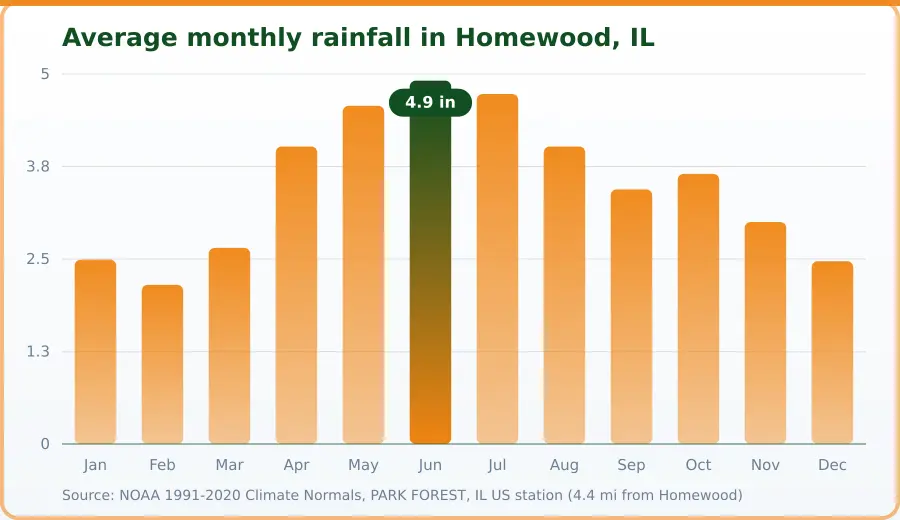
| Period | Monthly rainfall (in) |
|---|---|
| Jan | 2.5 |
| Feb | 2.2 |
| Mar | 2.7 |
| Apr | 4 |
| May | 4.6 |
| Jun | 4.9 |
| Jul | 4.7 |
| Aug | 4 |
| Sep | 3.4 |
| Oct | 3.7 |
| Nov | 3 |
| Dec | 2.5 |
Source: NOAA 1991-2020 Climate Normals, PARK FOREST, IL US station (4.4 mi from Homewood). Retrieved October 4, 2026.
Hardwood Floor Water Damage Across Homewood's Seasons
Spring: Snowmelt & Seepage
Spring thaw and heavy rainfall overwhelm aging drainage systems in older Homewood homes, forcing water into basements where it reaches hardwood floors stored below grade or finished spaces. Grover connects you with local restoration providers who extract water, assess floor saturation, and begin drying before warping and mold take hold.
Summer: Heat & Humidity Swings
Summer humidity and sudden thunderstorms create rapid moisture fluctuations that cause hardwood to cup, buckle, or separate at seams—especially after water intrusion. Grover's network helps you find providers who monitor floor moisture levels, control indoor humidity, and apply targeted restoration to prevent permanent cupping or finish failure.
Fall: Debris & Gutter Clogs
Fall leaf debris clogs gutters and downspouts, redirecting rainwater against foundation walls and into crawl spaces or basements where hardwood absorbs moisture and begins to swell and discolor. Grover connects you with restoration specialists in Homewood who extract standing water, dry floors thoroughly, and assess whether planks can be salvaged or must be replaced.
Winter: Freeze-Thaw Stress
Winter freeze-thaw cycles crack foundation joints and damage sump pump discharge lines, allowing water to seep into basements and saturate hardwood flooring with ice-cold water that expands wood grain and splits boards. Grover links you to local providers who respond quickly to winter water events, dry hardwood systematically, and help prevent splitting.
Homeowner Safety Toolkit
Verify Your Homewood, IL Water Damage Restoration Company
Before you hire anyone, use these independent national resources to confirm credentials, standards, and track record.
IICRC
Sets the technical standards for water damage restoration. Confirm a company's technicians hold real, current IICRC certification before you hire them.
Verify CertificationEPA
The federal government's own guidance on drying out a water-damaged home fast enough to keep mold from taking hold.
Mold Prevention GuideBBB
Look up any restoration company's complaint history, customer reviews, and accreditation status — a free, independent check before you hire.
Check StandingHardwood Floor Water Damage FAQs — Homewood, IL
Hardwood absorbs water quickly, causing boards to swell, warp, and cup. Finishes may bubble or peel, and prolonged moisture creates conditions for mold and wood rot. The longer water remains, the more structural damage occurs. Grover Water Damage Restoration connects you with local providers who assess the extent of water penetration and determine whether floors can be salvaged or need replacement.
When you contact Grover, we connect you quickly with independent local restoration providers serving Homewood who handle hardwood floor water damage. Response time depends on the provider's current workload, but our referral process is designed to put you in touch without delay so you can address the damage promptly and prevent further deterioration.
Cost depends on water source (clean versus contaminated), square footage affected, how long water sat, wood type, and whether boards need drying, refinishing, or full replacement. Subfloor damage and underlying structural issues also impact pricing. The independent providers Grover connects you with offer assessments to determine scope and provide cost details specific to your situation.
Stop the water source if safe to do so, remove standing water, and increase air circulation with fans and open windows. Avoid walking on wet floors. Do not attempt to dry flooring yourself with heat, as this can trap moisture underneath and worsen warping. Contact Grover to connect with a local provider who can begin professional water extraction and drying right away.
Maintain gutters and downspouts to direct water away from your home's foundation. In older Homewood homes with full basements, ensure sump pumps function properly and check basement drainage systems, especially before heavy rain seasons. Seal cracks in concrete, monitor indoor humidity, and address plumbing leaks immediately. These steps reduce the risk of water reaching your hardwood floors.
Heavy seasonal rainfall and snowmelt can overwhelm aging storm sewers and basement drainage systems common in the Chicago area. When these systems back up or fail, water can seep into basements and reach ground-floor hardwood. Homewood property owners should monitor basement conditions closely during wet seasons and have a restoration provider's contact ready in case water damage affects wood flooring.
Dealing with Hardwood Floor Water Damage in Homewood, IL? Call (708) 773-7699 for 24/7 help.
Call Now — (708) 773-7699Areas We Serve Near Homewood, Illinois
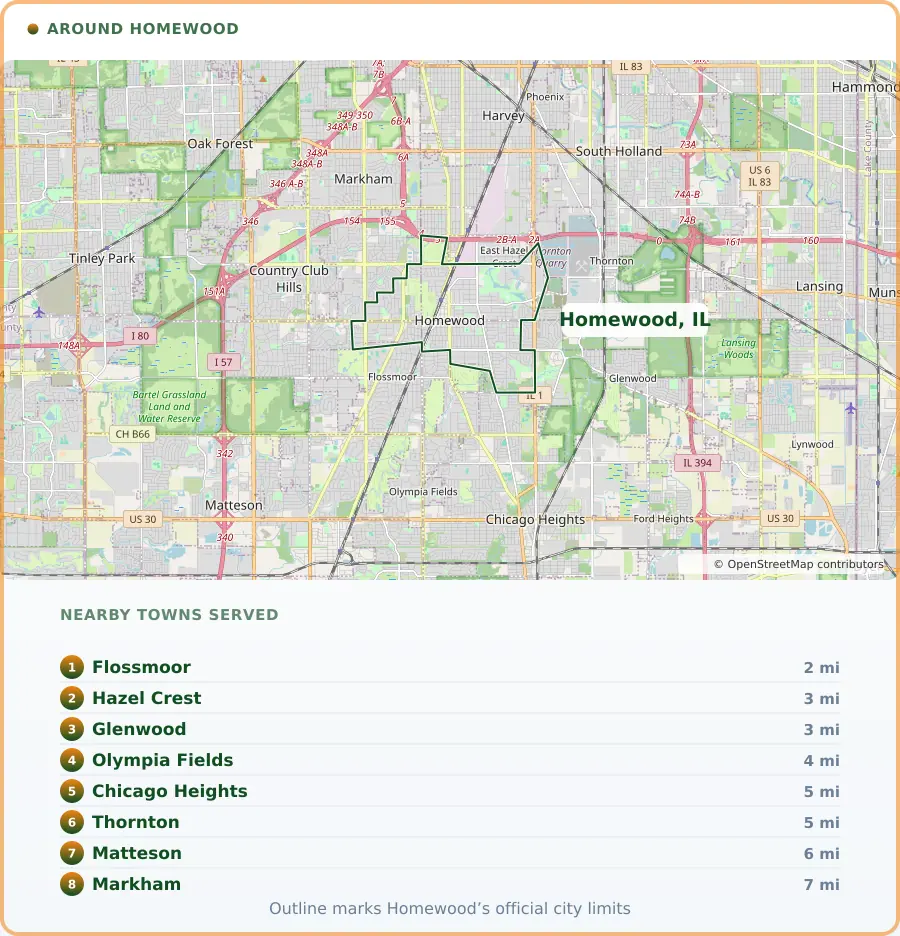
Based in Homewood, IL, with 8 nearby communities inside the service area — near enough to reach quickly, not just listed on a map.
Homewood, IL Information
Just south of Chicago, Homewood, IL carries the steady rhythm of a true rail town. The Canadian National yard nearby and a busy Metra station tie this community of about 19,300 to the Southland region's long freight legacy, while plenty of residents ride the rails north each day for work in the city. Downtown Homewood still anchors daily life, its storefronts, schools, and public services forming the backbone of the local economy alongside familiar names like Walmart, Jewel-Osco, and ALDI.
It's a village built on dependable institutions — strong schools, an active public library, and a municipal government that keeps neighborhoods like West Homewood and East Homewood running smoothly. Add a friendly stretch of local dining and shops, and you get a quietly confident suburb that knows exactly what it is.
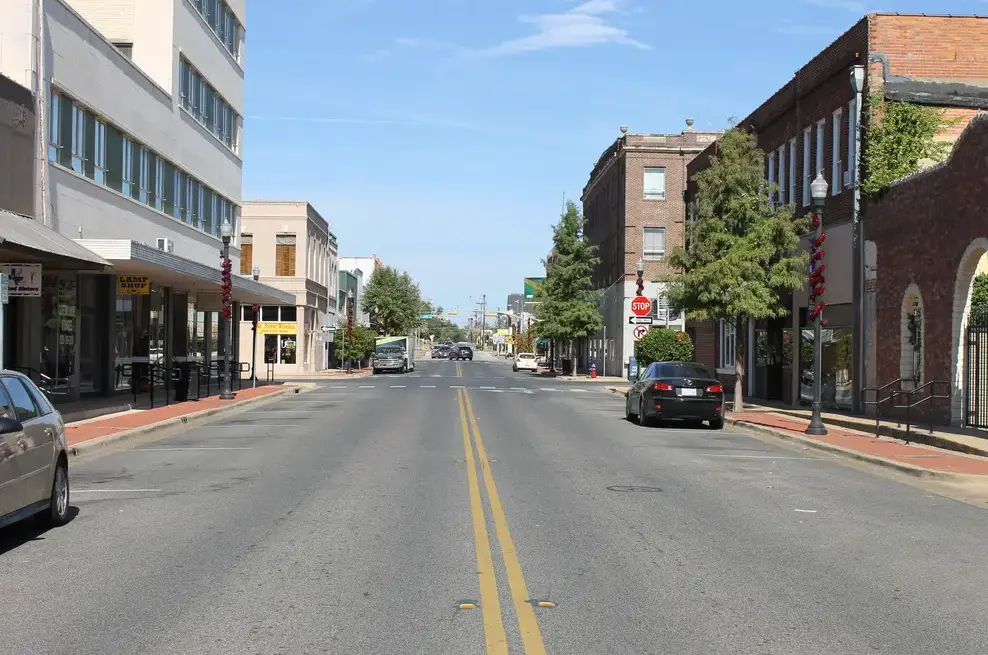
Photo: Billy Hathorn, CC BY-SA 3.0