

Roof Tarping in Homewood, IL
Homewood's older housing stock, with its prevalent full basements, faces particular vulnerability to water intrusion when heavy seasonal rainfall and spring snowmelt overwhelm aging drainage infrastructure. Roof damage from storms can accelerate this risk by directing water toward foundation seepage points, making prompt tarping essential to prevent water from entering the structure. Grover Water Damage Restoration connects Homewood property owners with local restoration providers who can deploy emergency roof tarping to halt active water entry and protect your home's interior and foundation from further damage.
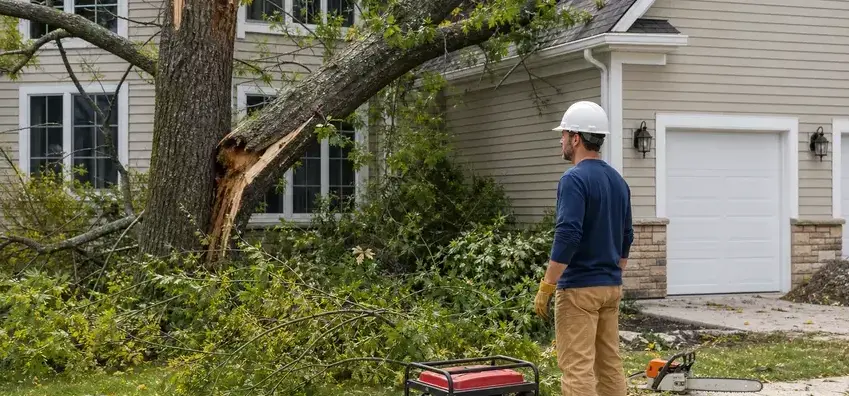
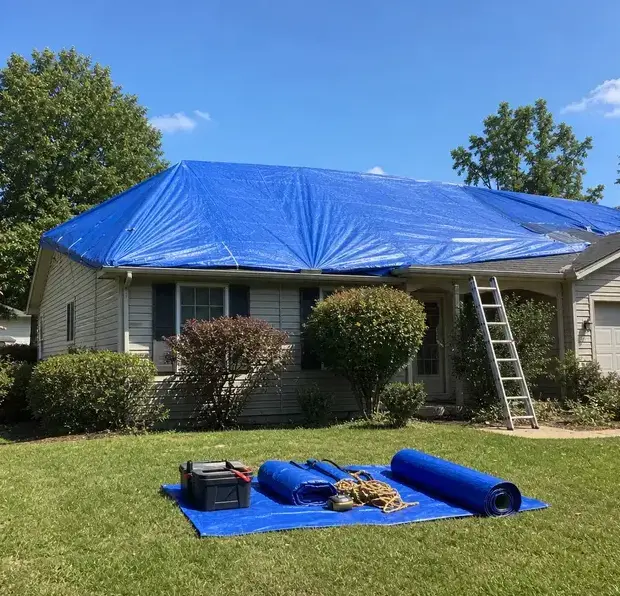
Roof Tarping Services for Homewood Homeowners
Homewood's older homes with full basements face particular vulnerability during heavy seasonal rainfall and spring snowmelt, when water pressure builds on aging foundation drainage systems and can find its way into living spaces. A compromised roof—whether from storm damage, missing shingles, or deteriorated flashing—accelerates this problem by allowing additional water intrusion directly into the structure. When a roof fails, roof tarping becomes an urgent first line of defense, creating a temporary weathertight barrier that prevents rain and meltwater from penetrating further into your home while permanent repairs are planned and scheduled.
Grover Water Damage Restoration connects Homewood property owners with local independent providers who specialize in rapid roof tarping response. These professionals assess damage, secure tarps professionally to prevent wind displacement and water pooling, and document the condition for your insurance adjuster. Beyond the tarp itself, they coordinate with you on next steps—whether that involves scheduling full roof replacement, addressing secondary water intrusion already inside the home, or managing related damage to ceilings and walls. When water damage strikes, fast action and local expertise make the difference between containment and costly escalation.
Why Homewood Property Owners Choose Grover for Roof Tarping
Fast Roof Tarping Response
Roof tarping needs urgent action to prevent interior water intrusion. Grover connects you with local restoration providers ready to mobilize quickly, minimizing exposure time and secondary water damage to your home.
Clear Roof Tarping Communication
Understanding the scope and timeline of roof tarping matters. Providers in Grover's network explain the tarping process, expected coverage, and next steps clearly so you know what to expect throughout the work.
Thorough Roof Tarping Coverage
Temporary roof tarping requires precise placement to stop active leaks and protect interior spaces. Local providers connected through Grover assess damage fully and secure tarps with attention to detail, preventing water from finding alternate entry points.
Preparation for Spring Snowmelt
Homewood's seasonal thaw cycle brings heavy rainfall that tests older roof systems and drainage. Timely roof tarping after winter damage or storm impact protects your home before spring runoff overwhelms aging gutters and foundation systems.
How Our Roof Tarping Process Works
From your initial call to the final inspection, we provide a structured, professional, and efficient process to ensure your property is fully restored after Roof Tarping.
Contact Grover for Roof Tarping
Call or submit your request to connect with a local roof tarping provider in Homewood who can respond quickly to your damaged roof. Describe the damage location and extent so the provider can prepare materials and arrive ready to secure your roof.
Assessment and Roof Tarping Plan
The local provider inspects your roof damage, checks for water entry points, and determines the best tarping coverage to protect your home from seasonal rainfall and ongoing water intrusion until permanent repairs are made.
Secure Your Roof with Tarping
The provider installs protective tarping over the damaged roof sections, securing it properly to prevent wind lift and water pooling. Once in place, roof tarping shields your interior and structural components from further water exposure while repairs are arranged.
Dealing with Roof Tarping in Homewood? Get fast, professional help.
Call Now — (708) 773-7699Roof Tarping Services Across Homewood
Homewood's older housing stock, predominantly built with full basements typical of Chicago-area suburbs, creates distinct roof tarping challenges during heavy seasonal rainfall and spring snowmelt. When aging storm drainage systems become overwhelmed, water can back up through foundation areas and into attics, making rapid roof protection essential after damage. Homes throughout neighborhoods like the Homewood Historic District and East Homewood—many decades old—often have roofing materials and structural framing that require prompt tarping to prevent interior water intrusion when weather-related damage occurs.
A damaged roof in Homewood's climate can allow rapid water penetration, especially during the spring thaw and periods of heavy precipitation. Temporary tarping by local restoration providers protects the interior of your home and buys time for a thorough damage assessment and permanent repair plan. Grover connects Homewood property owners with independent local providers who respond quickly to get tarping in place, helping prevent secondary water damage to ceilings, walls, and basement areas below.
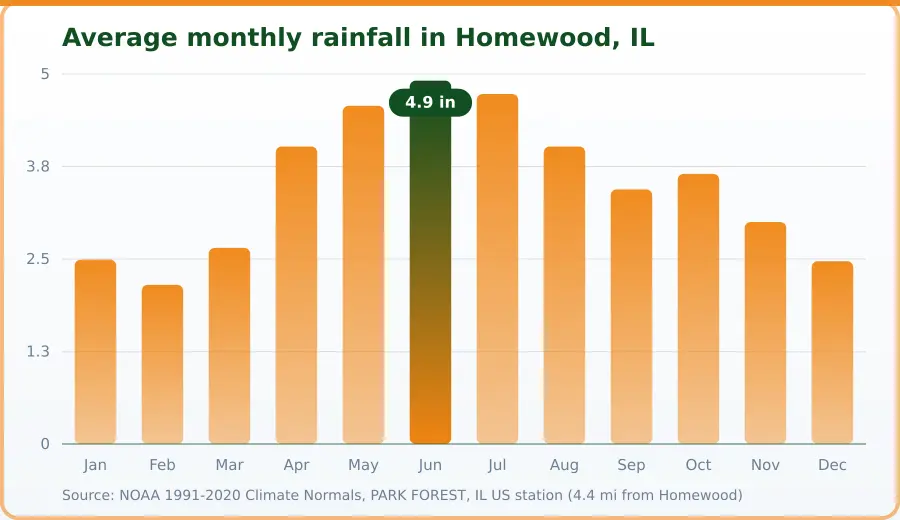
| Period | Monthly rainfall (in) |
|---|---|
| Jan | 2.5 |
| Feb | 2.2 |
| Mar | 2.7 |
| Apr | 4 |
| May | 4.6 |
| Jun | 4.9 |
| Jul | 4.7 |
| Aug | 4 |
| Sep | 3.4 |
| Oct | 3.7 |
| Nov | 3 |
| Dec | 2.5 |
Source: NOAA 1991-2020 Climate Normals, PARK FOREST, IL US station (4.4 mi from Homewood). Retrieved October 4, 2026.
Roof Tarping Through Homewood's Seasons
Spring: Thaw and Exposure
Spring snowmelt and heavy rains expose roof damage that accumulated through winter, making immediate tarping essential to prevent water intrusion into aging basements and foundation systems. Grover connects Homewood property owners with local providers who deploy emergency tarping to seal roofs before interior water damage spreads.
Summer: Heat and Adhesion
Summer heat affects tarp adhesion and sealant durability on roofs, requiring tarping solutions that withstand temperature fluctuations without degrading. Local providers help property owners maintain temporary roof protection while permanent repairs are planned or scheduled.
Fall: Wind and Debris
Fall storms bring high winds and heavy leaf debris that compromise roof integrity and stress temporary tarping systems. Grover's network connects you with providers who reinforce and re-secure tarps before autumn weather worsens roof damage.
Winter: Freeze and Weight
Winter freeze cycles and ice accumulation place stress on tarps and roof structure alike, while snow weight can tear or dislodge emergency coverings. Quick tarping response from local providers prevents catastrophic leaks during the season when interior water damage poses the greatest risk to occupied homes.
Related Services
Homeowner Safety Toolkit
Verify Your Homewood, IL Water Damage Restoration Company
Before you hire anyone, use these independent national resources to confirm credentials, standards, and track record.
IICRC
Sets the technical standards for water damage restoration. Confirm a company's technicians hold real, current IICRC certification before you hire them.
Verify CertificationEPA
The federal government's own guidance on drying out a water-damaged home fast enough to keep mold from taking hold.
Mold Prevention GuideBBB
Look up any restoration company's complaint history, customer reviews, and accreditation status — a free, independent check before you hire.
Check StandingRoof Tarping FAQs — Homewood, IL
Roof tarping is a temporary protective covering applied to damaged roof areas to prevent water intrusion until permanent repairs are made. Local providers assess the damage, secure heavy-duty tarps or sheeting over holes, gaps, or compromised sections, and fasten them with battens and fasteners. This stops rain and snowmelt from entering your home and causing interior water damage while you arrange full roof restoration.
Grover Water Damage Restoration works to connect Homewood property owners with independent local roof tarping providers quickly when damage occurs. After you submit your information, we match you with available providers in your area who can respond to urgent roof protection needs. Speed matters during active weather and water intrusion—reaching out immediately helps ensure faster coverage and prevents additional interior damage.
Roof tarping costs depend on several variables: the size and location of damaged roof areas, roof pitch and accessibility, whether multiple tarps are needed, and the complexity of securing materials in weather conditions. The independent provider you're connected to will assess your specific damage and provide pricing based on labor, materials, and how quickly the work must be completed to protect your home.
Before tarping, move valuables away from areas directly below the damage if possible, since temporary tarps may not prevent all water seepage initially. Clear gutters and downspouts so water can drain properly around the tarped section. When the provider arrives, provide safe access to your roof and attic if needed for damage assessment. Have your insurance information ready if you plan to file a claim for the work.
Roof tarping provides temporary water protection by covering damaged areas, significantly reducing—though not necessarily eliminating—water entry during rain or snowmelt. The tarp buys you time to arrange permanent roof repairs. Because Homewood experiences heavy seasonal rainfall and spring snowmelt, temporary tarping is most effective as a short-term solution; permanent roof restoration should follow as soon as possible to restore full weather resistance.
Roof tarping is most commonly needed after storm damage, which can occur year-round in the Homewood area. Spring and fall weather patterns, along with seasonal precipitation and freeze-thaw cycles, increase the risk of roof failures requiring urgent tarping. If your roof is damaged, tarping should not wait for a specific season—the sooner coverage is installed, the sooner you prevent water intrusion and protect your home's interior and structure.
Dealing with Roof Tarping in Homewood, IL? Call (708) 773-7699 for 24/7 help.
Call Now — (708) 773-7699Areas We Serve Near Homewood, Illinois
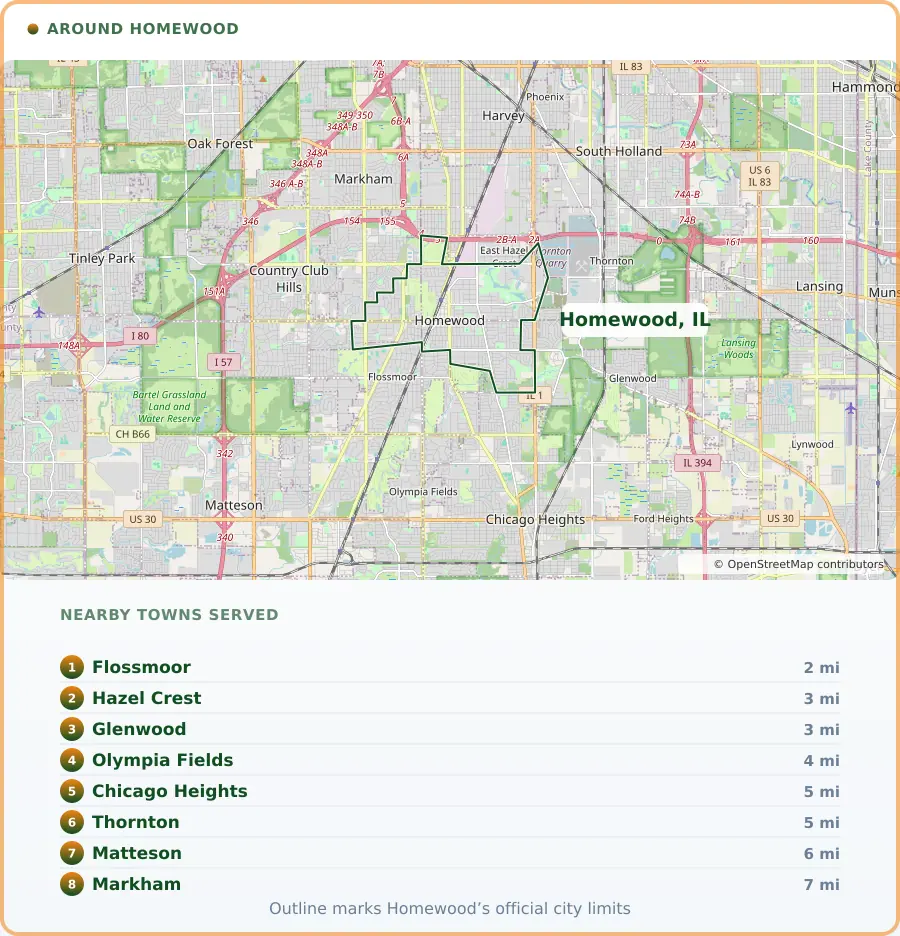
Based in Homewood, IL, with 8 nearby communities inside the service area — near enough to reach quickly, not just listed on a map.
Homewood, IL Information
Just south of Chicago, Homewood, IL carries the steady rhythm of a true rail town. The Canadian National yard nearby and a busy Metra station tie this community of about 19,300 to the Southland region's long freight legacy, while plenty of residents ride the rails north each day for work in the city. Downtown Homewood still anchors daily life, its storefronts, schools, and public services forming the backbone of the local economy alongside familiar names like Walmart, Jewel-Osco, and ALDI.
It's a village built on dependable institutions — strong schools, an active public library, and a municipal government that keeps neighborhoods like West Homewood and East Homewood running smoothly. Add a friendly stretch of local dining and shops, and you get a quietly confident suburb that knows exactly what it is.
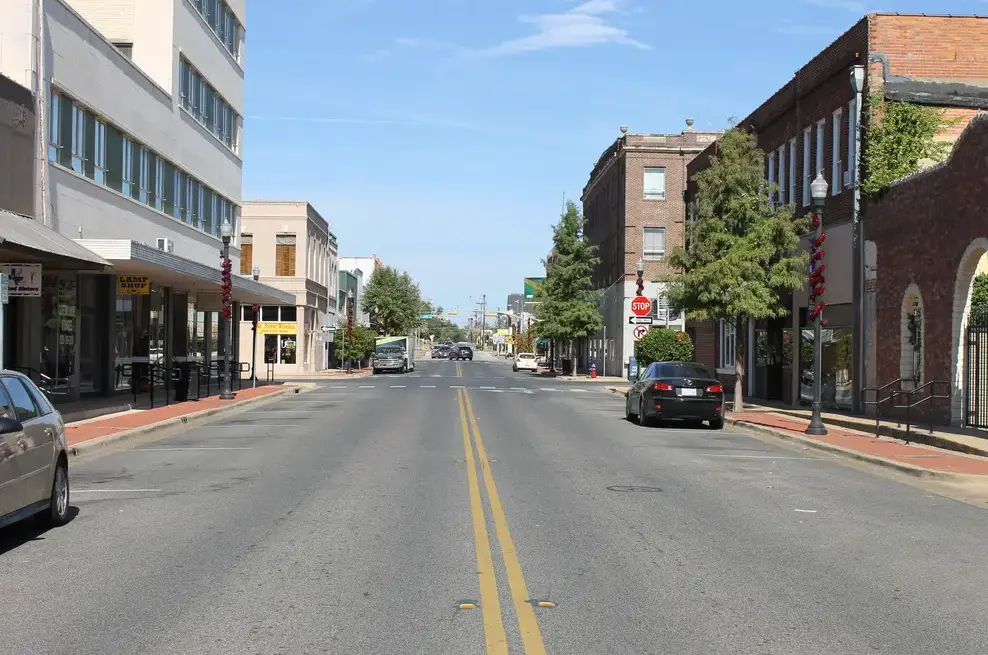
Photo: Billy Hathorn, CC BY-SA 3.0